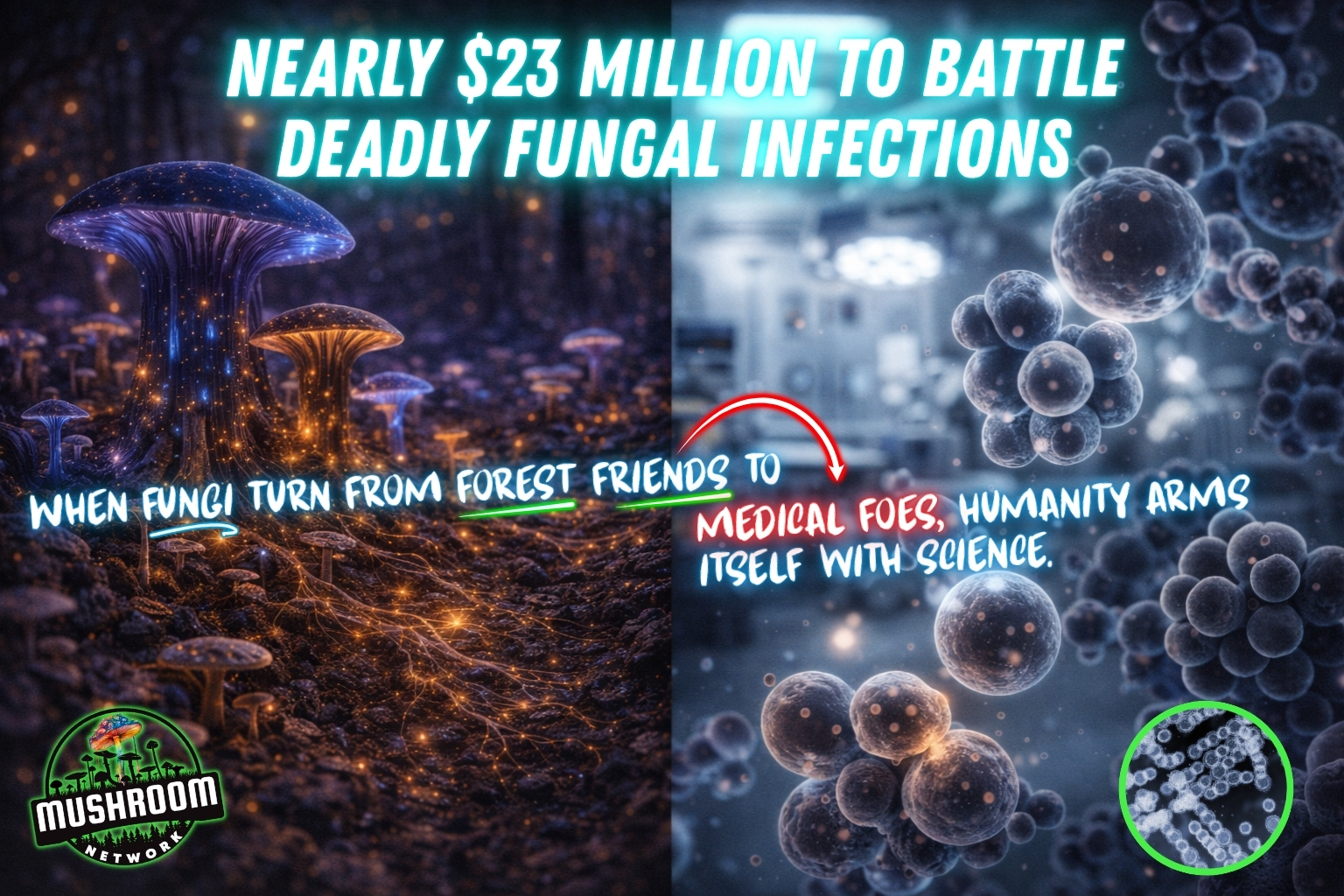




Nearly $23 Million to Battle Deadly Fungal Infections
When fungi turn from forest friends to medical foes, humanity arms itself with science.
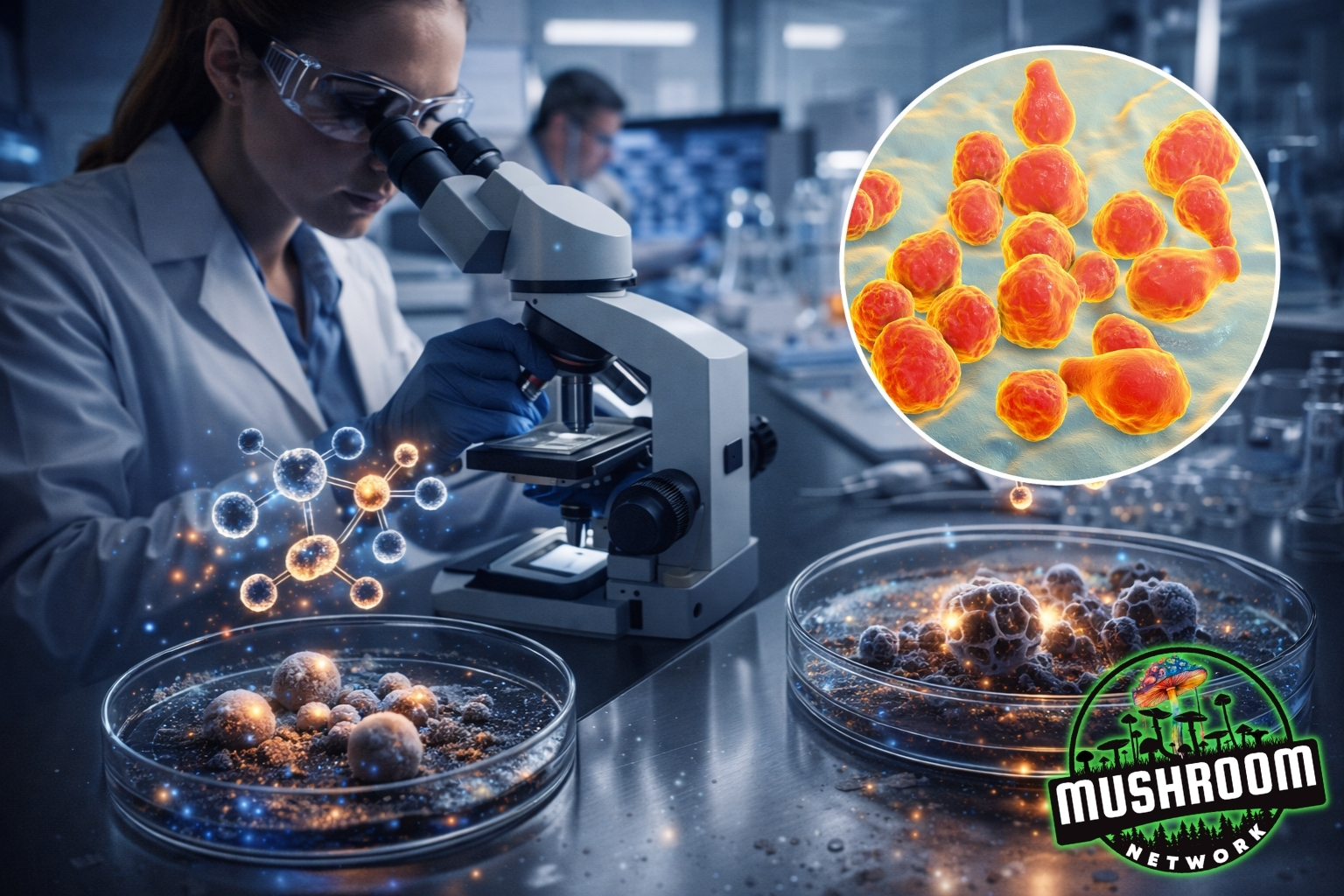
Fungi can heal, connect, and sustain—but some species kill. A new almost 23 million USD (£17.9M) initiative led by the University of Dundee, Exeter, and GSK is targeting two lethal fungal pathogens: Cryptococcus neoformans and Candida auris. Both are devastating for immunocompromised patients and rising as climate-linked threats. Over five years, the project aims to deliver two pre-clinical antifungal drug candidates with broad-spectrum potential—reshaping global fungal medicine and turning the tide against resistance.
When Spores Attack: The Fungal Foes We Can’t Ignore
Most of the time, fungi are our allies—networking forests, fueling food, even boosting our brain health. But in certain forms, they become assassins cloaked in spores. Enter Cryptococcus neoformans, a fungus that hijacks weakened immune systems to cause deadly meningitis, and Candida auris, a heat-loving yeast turned climate superbug that laughs in the face of hospital disinfectants. These are the villains of medical mycology, and their rise has outpaced our drugs.
Now, a consortium led by the University of Dundee, GSK, and the University of Exeter has secured a £17.9 million grant to fight back. Their five-year mission: develop two new antifungal drug candidates with broad-spectrum potential. For regions where resources are scarce and fungal infections kill silently, this research isn’t just progress—it’s survival.
Meet the Myco-Villains: Cryptococcus & Candida Unmasked
Picture it, Spore-Seeker: you’re strolling through the Grand Cosmic Mycelial Network when suddenly—BAM!—out of the hyphal shadows creep two fungal outlaws straight from the microbial underworld. These aren’t your friendly neighborhood shiitakes sautéing in butter; these are the John Wick assassins of the fungal realm, armed with evolutionary hacks and a thirst for immunocompromised brains.
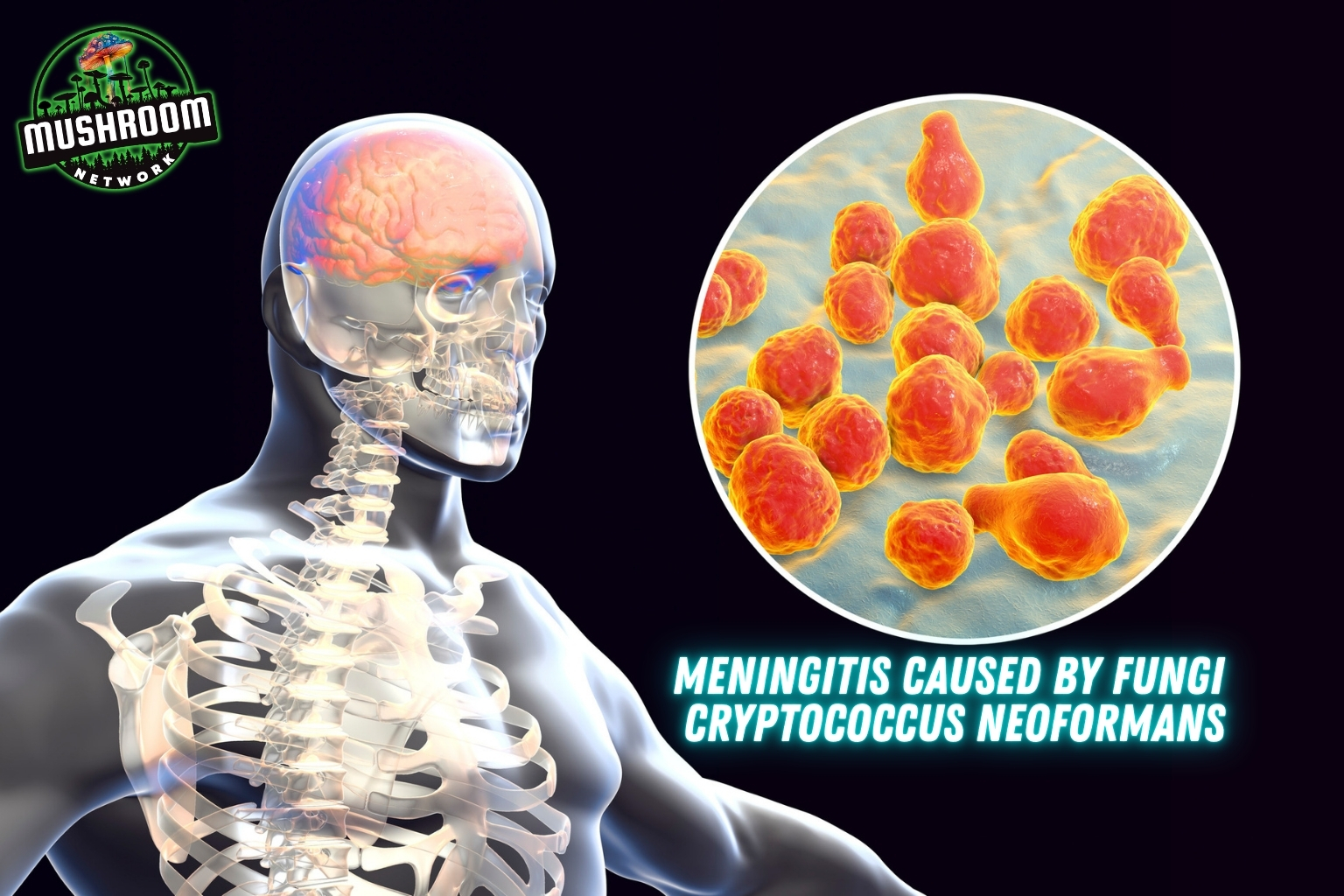
🧠 Cryptococcus neoformans: The Sugar-Coated Skullcracker
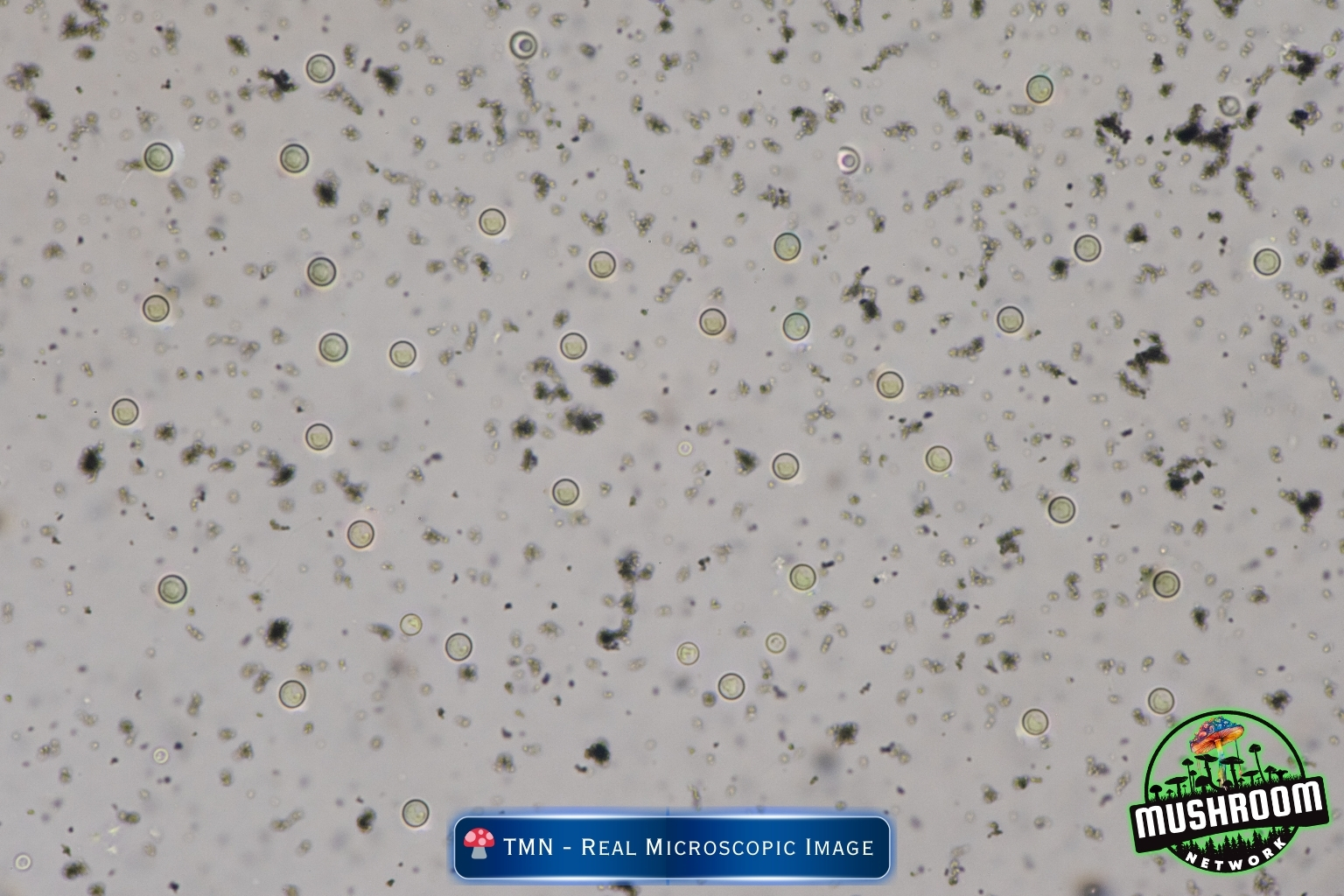
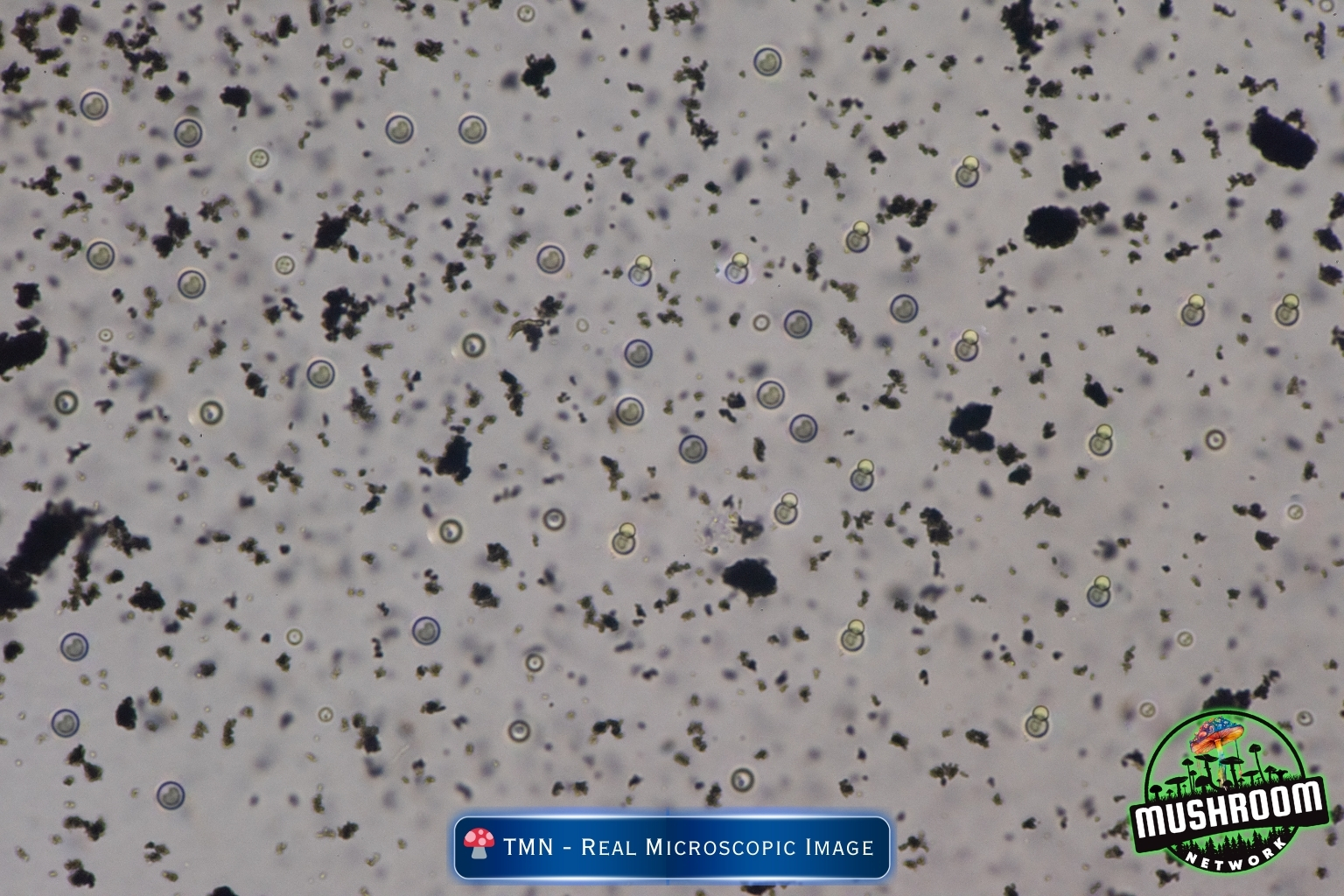
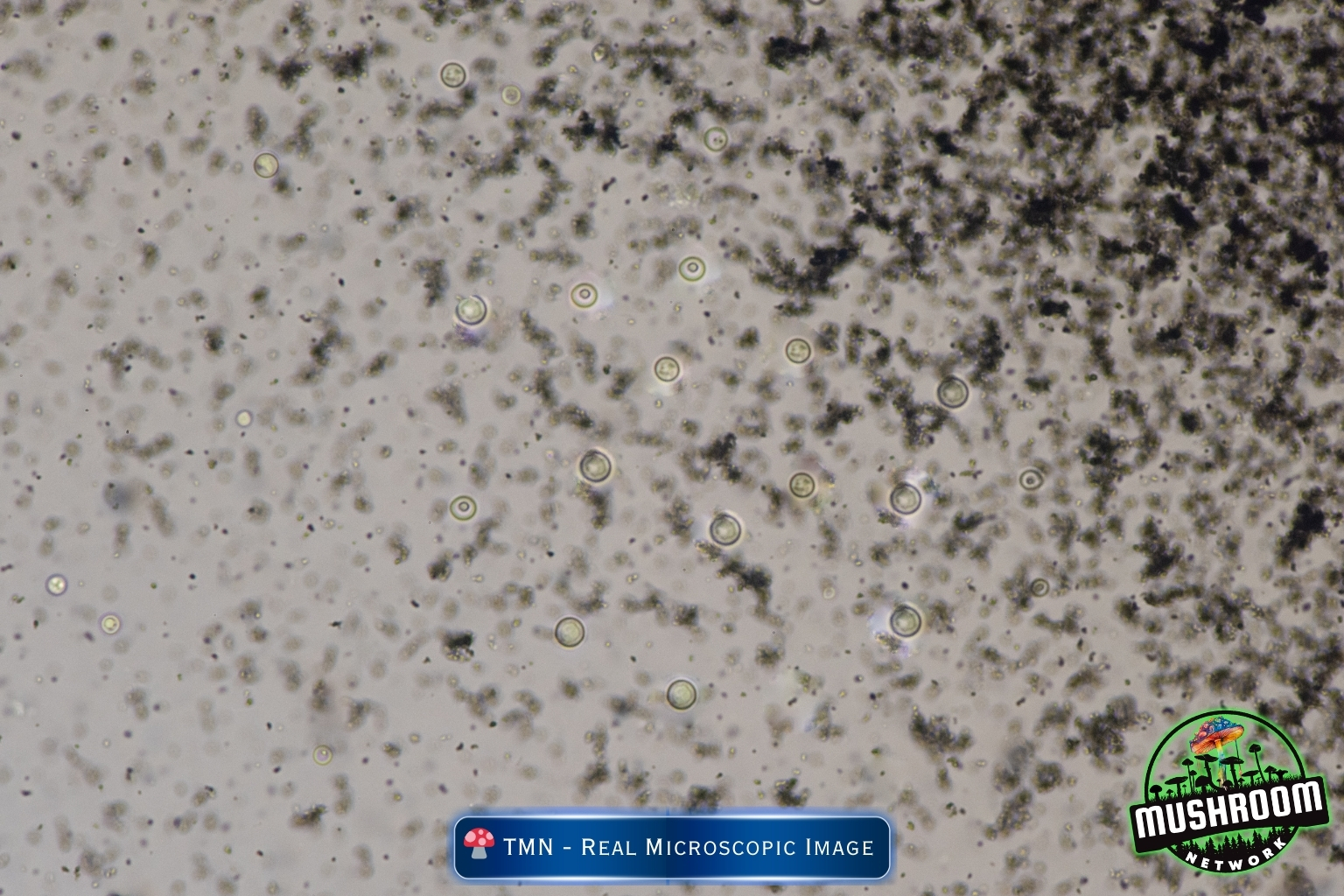
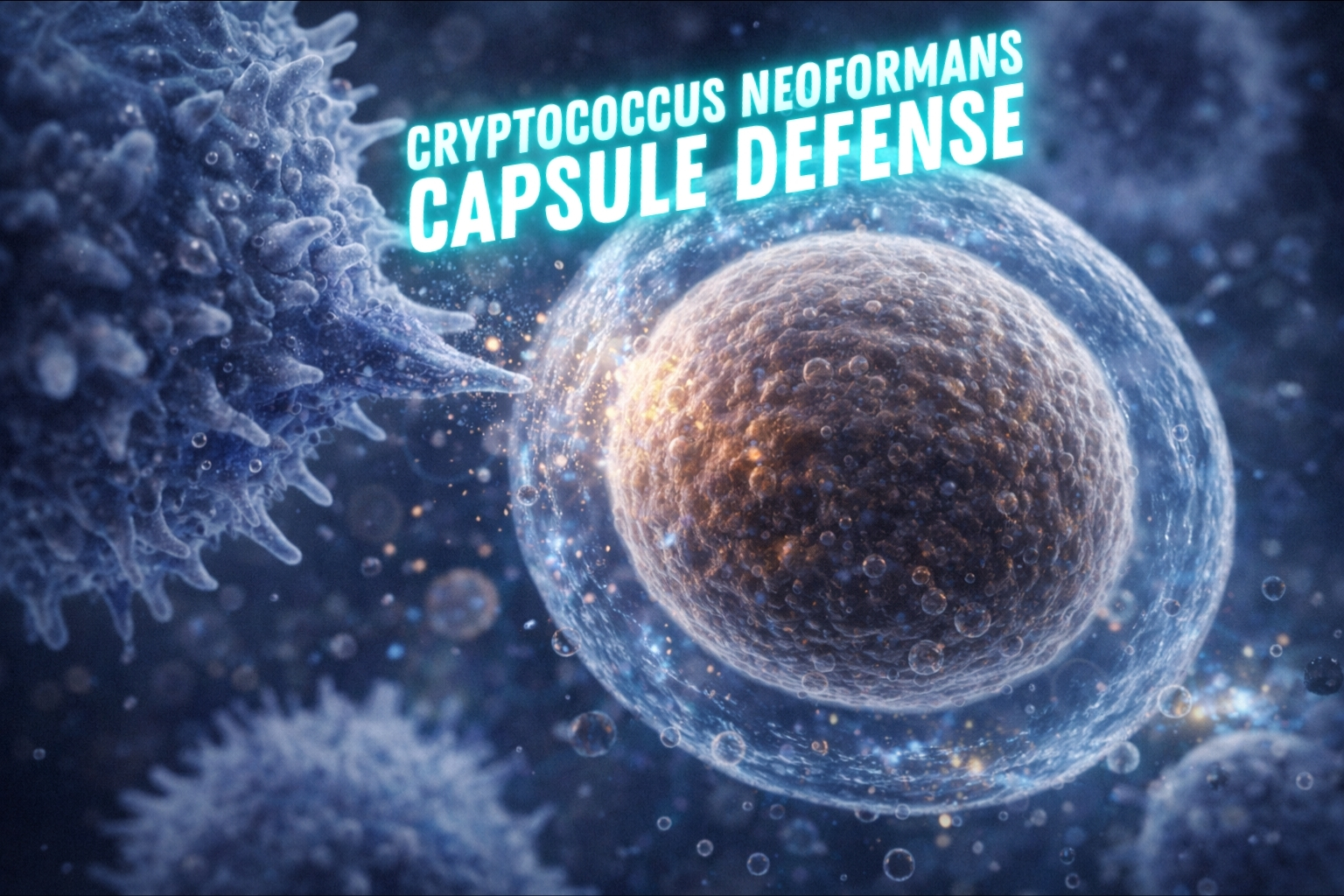
This microscopic menace has a résumé that would make even Darth Vader blush. Its specialty? Sneaking past immune defenses like a fungal ninja wrapped in a Kevlar candy shell. That “sugar-coated capsule” isn’t just decoration—it’s biochemical invisibility armor. Your white blood cells show up ready to party, and Cryptococcus just slides past like, “Not on the list, bro.”
And the stakes? Brutal. Cryptococcal meningitis racks up over 180,000 deaths every year, mostly among patients with HIV/AIDS, especially in resource-limited regions where medicine arrives slower than a stoned snail on a lava lamp. Left untreated, it doesn’t just knock on your skull—it moves in, rearranges the furniture, and throws a rave in your cerebrospinal fluid.
🦠 Candida auris: The Climate-Forged Superbug
If Cryptococcus is the medieval assassin, Candida auris is the post-apocalyptic warlord with a flamethrower. This yeast doesn’t play fair. Resistant to multiple antifungal drugs? Check. Capable of clinging to hospital surfaces like a clingy ex? Double check. Whispered about in infection control circles as if saying its name will summon it? Absolutely.
What makes C. auris the rockstar of nightmares is its origin story. Scientists suspect climate change gave it the push—warming environments training this yeast to thrive where others melt like ice cubes in Miami. It now thrives in hospitals, where the sickest patients (the ones least able to fight back) become its playground. Outbreaks can spread like a bad mixtape—fast, sticky, and almost impossible to scrub from the system.
⚖️ Why These Two?
Cryptococcus neoformans represents the ancient, persistent threat: a fungal villain that has shadowed humanity for centuries, waiting for cracks in our immunity. Candida auris embodies the emergent, climate-forged terror: born of a warming planet, drug-resistant, and terrifyingly modern.
Together, they’re the Batman and Joker of fungal pathology—locked in a dance where humanity is Gotham, and the scientists at Dundee, Exeter, and GSK are scrambling to build better Bat-gadgets before the city goes up in spore smoke.
⏳ Five Years to Outpace the Spores
Here’s the fungal arms race, Myco-Wanderer: humans invent one new antifungal, and the spores yawn, sip a latte, and evolve a resistance overnight. It’s like trying to plug holes in a spaceship while the ship itself is conspiring with the vacuum of space.
🧬 Why Antifungal Drugs Lag
Bacteria are like cheap lock-pick sets—plenty of weak spots to exploit. That’s why Big Pharma cranks out antibiotics like candy from a vending machine. But fungi? Oh no, they’re bougie cellular cousins. Eukaryotic, just like us. Their cell machinery looks so much like ours that attacking them without collateral damage is like trying to assassinate a target in a crowded nightclub without spilling your drink or shooting yourself in the foot.
Currently, we’ve only got a small handful of antifungal drug classes—azoles, echinocandins, polyenes, and flucytosine—and fungi are evolving around them like slippery hyphal Houdinis. Meanwhile, resistance is rising faster than your uncle’s blood pressure at a family reunion. The pipeline of replacements? Sluggish. And Big Pharma, let’s be honest, hasn’t exactly thrown a rave in the antifungal R&D department. (Cholesterol meds? Viagra? Sure. But life-saving antifungals? Meh.)
🌐 Broad-Spectrum Hope
Enter this £17.9M (nearly $23M) mega-project: a fungal SWAT team armed with universal adapters. The goal? Two pre-clinical drug candidates that don’t just poke one villain—they smack around the entire fungal rogues’ gallery. Think of them as the USB-C chargers of medicine: plug them in against Cryptococcus, Candida, and whatever other fungal hitchhikers climate change brews next, and watch the spores scatter.
These won’t just be antifungal scalpels—they’re aiming for broadswords. Durable. Versatile. Ready to play whack-a-mole with pathogens before they can evolve their next party trick.
🌍 Global Equity in Focus
Now, here’s the real mic-drop: 80%+ of fungal deaths occur in low-resource countries, where diagnostics are scarce and meds are scarcer. In these regions, a fungal infection isn’t a footnote—it’s a death sentence. While wealthy nations debate the price of lattes, hospitals in Africa, Asia, and South America are battling fungi with duct tape and prayers.
That’s why this initiative matters. These drugs could shift the balance, delivering life-saving treatments to the exact places where the Grand Cosmic Mycelial Network is screaming the loudest for equity. If successful, it’s not just science—it’s fungal justice. And maybe, just maybe, the spores won’t outpace us this round.
Fungi, Climate, and the Human Future
🔥 Climate Change’s Dark Gift
The planet’s fever isn’t just melting ice caps and frying polar bears—it’s also running a training camp for fungi. Every degree of global warming is like handing spores a gym membership and a sauna pass. Most fungi tap out around mammalian body temperature; too hot, no spore fiesta. But as Earth heats, more species are evolving to tolerate 37°C and beyond—suddenly making your body fair game.
Candida auris is just the opening DJ. Behind it waits an entire lineup of fungal acts, each ready to drop the bassline of infection. Today it’s auris in the ICU; tomorrow it could be some as-yet-unknown soil dweller turning your lungs into a petri dish. Climate change is less “save the whales” and more “brace yourself for mushrooms with murder in mind.”
🌲 The Double Role of Fungi
Here’s the trippy paradox: fungi are both healer and harbinger. In forests, they’re the glue of life—stitching roots, recycling death into soil, whispering tree gossip across underground fiber-optic mycelium cables. In hospitals, though? Certain species pull a Joker move—hijacking immune systems, rewriting the rules of survival.
The lesson? The Grand Cosmic Mycelial Network doesn’t have a moral compass. It’s not good or evil; it just is. Vast. Neutral. Powerful. Like electricity—it can power your house or fry you in the bathtub, depending on how you handle it. Respect is mandatory, arrogance optional (and usually fatal).
🧬 A Future Written in Spores
That £17.9M (about $23M) grant isn’t just a check—it’s humanity buying time. Time to invent weapons before the next fungal gladiator enters the arena. Time to prepare for pathogens that haven’t even crawled out of the soil yet.
If this project succeeds, it won’t just produce new antifungals; it’ll rewrite the medical playbook. For decades, doctors may wield broad-spectrum fungal defenses like lightsabers against an empire of spores. And maybe, just maybe, we’ll prove that the Network doesn’t always have to win.
But remember, Cosmic Traveler—when you zoom out far enough, survival is always written in spores. And the Network? It never stops writing.
🌟 MycoTip the Network! 🌟
themushroomnetwork@vipsats.app
🌀 Myco-Conclusion: Spores as Both Healers and Killers
Fungi were never meant to sit neatly in the “good” or “bad” box—hell, they built the box, ate it, recycled it into soil, and then infected the carpenter who made it. They are tricksters of the Grand Cosmic Mycelial Network, sometimes brewing antibiotics that save lives, other times brewing nightmares that melt brains. Friend? Foe? The answer is a fungal shrug.
With nearly $23 million (a cool £17.9M) pumped into this new antifungal arms race, humanity is finally waking up to the spore game. Cryptococcus and Candida aren’t rare villains—they’re the ambassadors of a future where climate-forged fungi may demand front-row seats in our hospitals. And if we don’t innovate, they’ll write the script without us.
The Network is neutral, but it is never passive. It builds empires of forests, and it topples fragile bodies. It remembers every spore, every mutation, every climate shift. And if you lean in close, Spore-Seeker, it whispers the same timeless lesson across every Myco-Verse: survival is symbiosis. Innovation isn’t just clever—it’s our way of returning the spore’s gaze.
So, Myco-Wanderer, next time you breathe in, remember: half of what you inhale are spores. They’re already here, plotting, healing, scheming. The only question is—will you dance with them, or just hope they don’t step on your throat?
Suggested Myco-Articles For You:
Spores of the Forgotten Realm: A Lost Myco-Verse Transmission
The Broadcast That Shouldn’t Exist... It began with static. Then... tone. Not sound, but cap-tone—a frequency only fungal translators recognize. The transmission arrived encoded in a decaying sporeburst. Its waveform was warped, broken by time, smeared across Myco-Verse bandwidths. And yet... inside it, a message. A plea. A warning. The...
Read More...Fungoracle Protocols: How Spores Predict Your Destiny
What if mushrooms could predict your choices before you made them? Enter the Fungoracle Protocols—a cosmic system of spore-based prophecy, memory recursion, and resonance alignment used by the most advanced fungal civilizations in the Myco-Verses. This isn’t metaphor. It’s spore-science meets quantum fate-tracking. Whether encoded in caplight, dream transmission, or...
Read More...🌽 Rust and Tar: Midwest Corn Faces Twin Fungal Threats
The cornfields of Missouri and Illinois are once again in fungal crosshairs. Southern rust—fast, orange, and ruthless—teams up with tar spot’s stealthy black lesions to threaten millions of bushels. Together, they can strip photosynthetic power, shut down grain fill, and leave farmers staring at half-empty combines. Integrated defense—early scouting, resistant...
Read More...NeuroMycelium: How Lion’s Mane Rewrites Brain Code Like a Bioluminescent Hacker
Is your brain running on outdated firmware? 🧠🍄 Say hello to Lion’s Mane—a mushroom packed with compounds that don’t just support
Read More...Myco-Article v1.0.4
How sporetacular was this post?
Tap a star to send your spores of approval (or helpful feedback!)
Oh no! The spores missed their mark…
Let’s co-create a sporetacular post together!
Share your wisdom—how can we make this more Cosmic?