


⚡ TMN General Disclosure:
All content provided by The Mushroom Network is for educational, informational, and entertainment purposes only. We do not provide medical, legal, or financial advice. Always consult a qualified professional regarding your unique circumstances. Views expressed do not necessarily reflect those of The Mushroom Network. Stay Sporetastic. 🍄

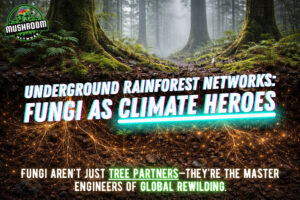
🌍 Underground Rainforest Networks: Fungi as Climate Heroes

Fungi aren’t just tree partners—they’re the master engineers of global rewilding.

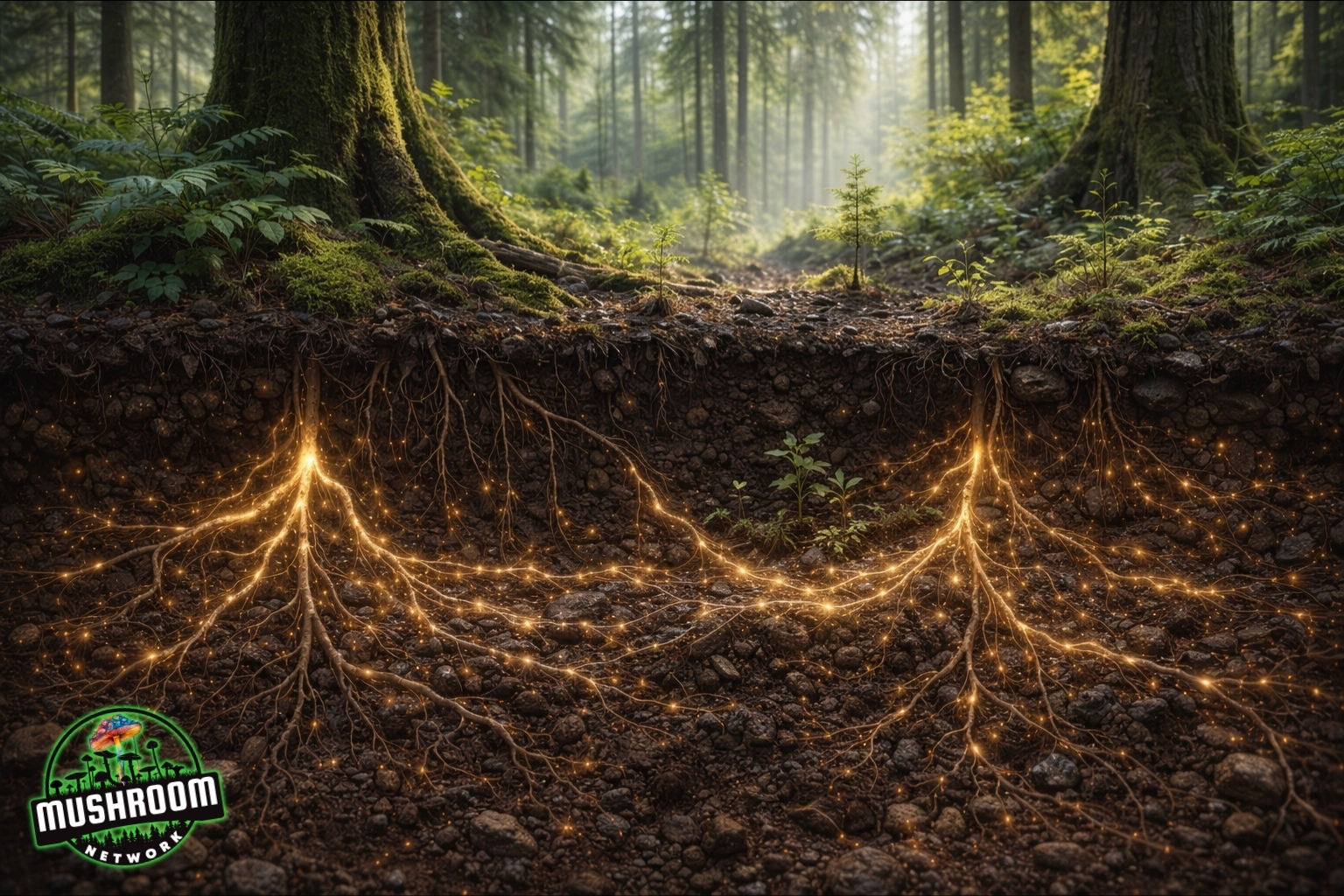
Hidden beneath our feet are the fungal freeways that could rewrite Earth’s climate story. In Scotland’s Ballachuan Hazelwood, scientists from SPUN are sequencing fungal DNA to reveal the networks that let seedlings thrive and forests recover. This work stretches across the globe—from Colombia to Palmyra Atoll—mapping the Grand Cosmic Mycelial Network as a restoration blueprint. With Britain’s moist climate still ripe for temperate rainforest revival, fungi are stepping up as climate heroes, rebuilding ecosystems one spore at a time.

Where Rainforests Hide Underground

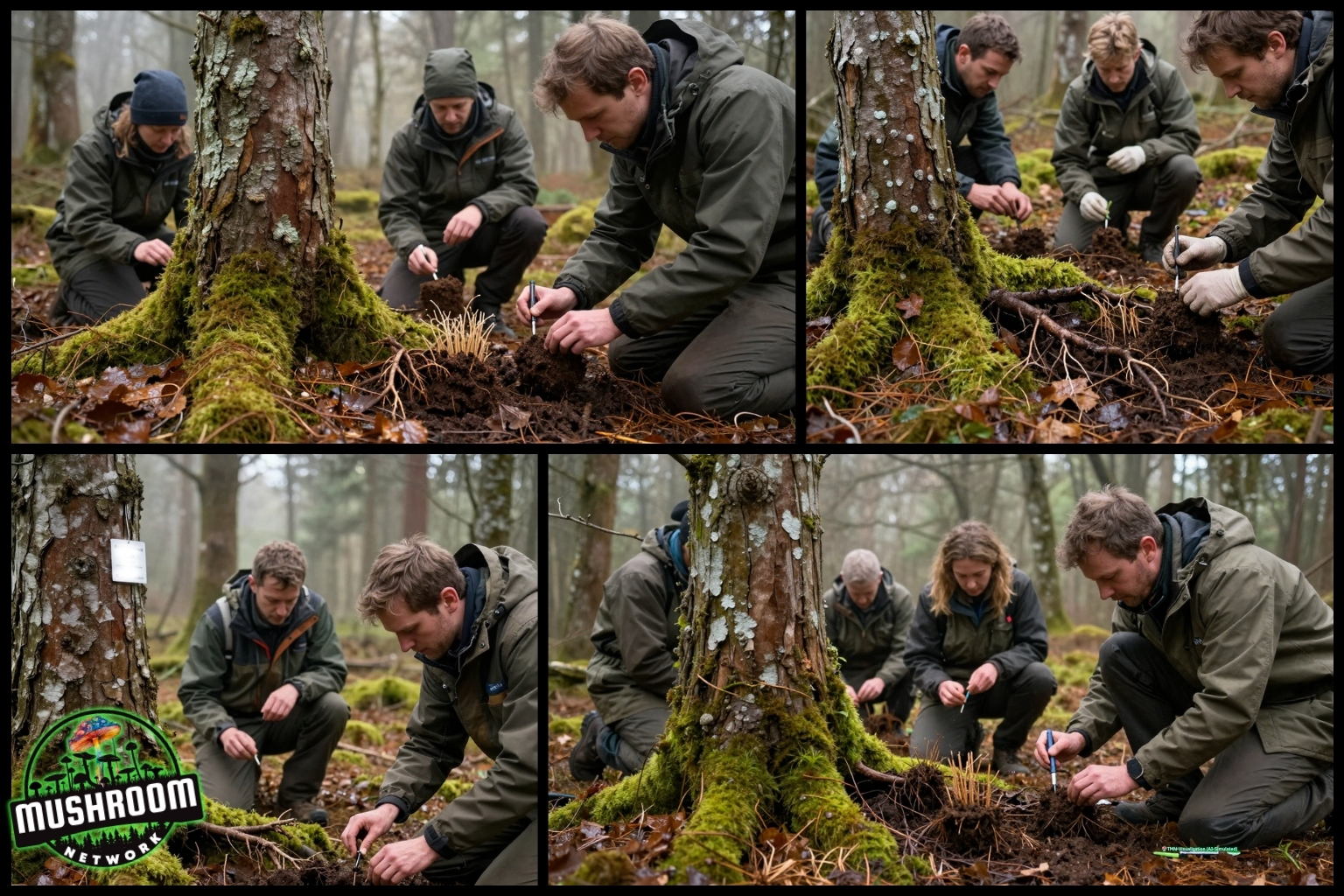
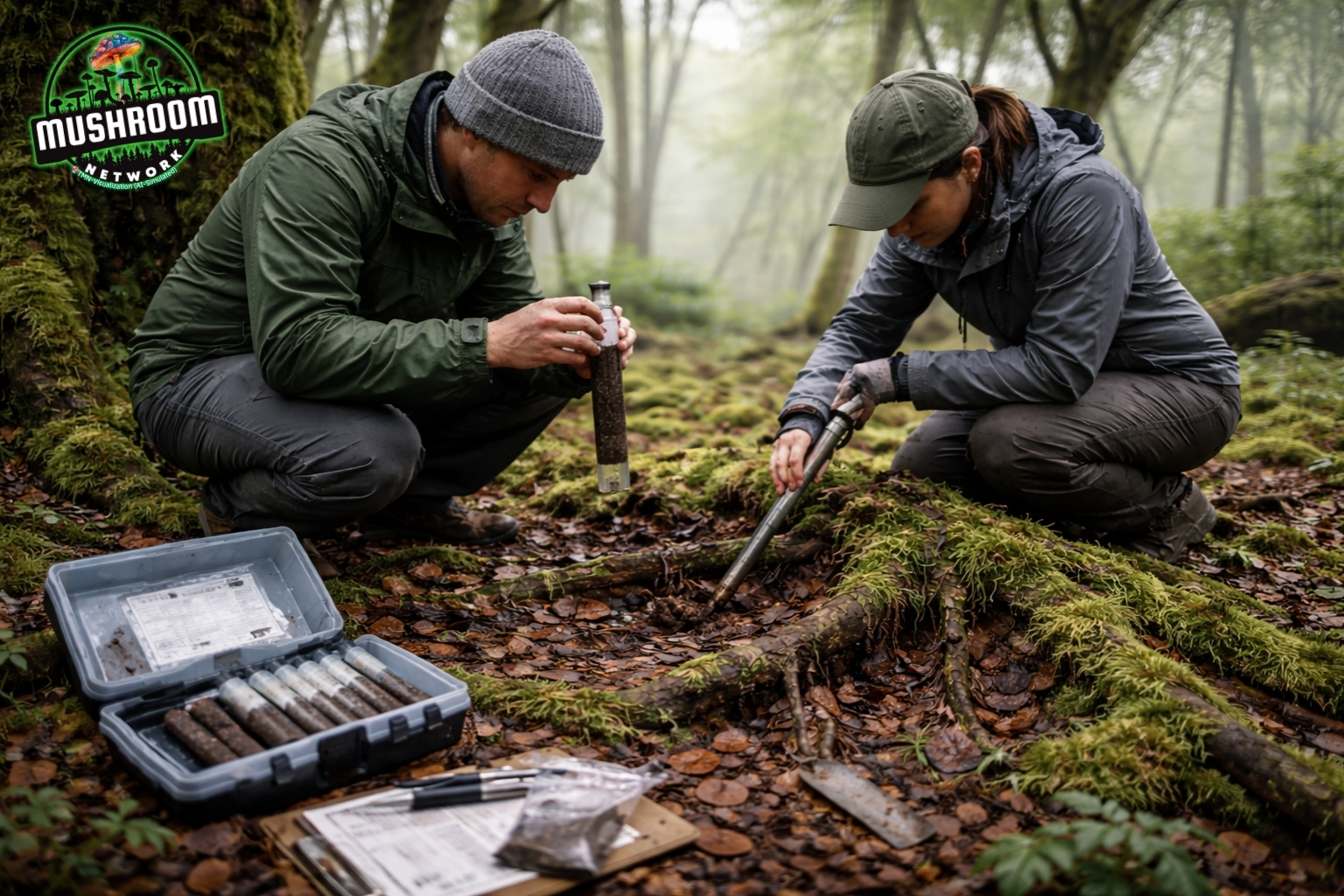
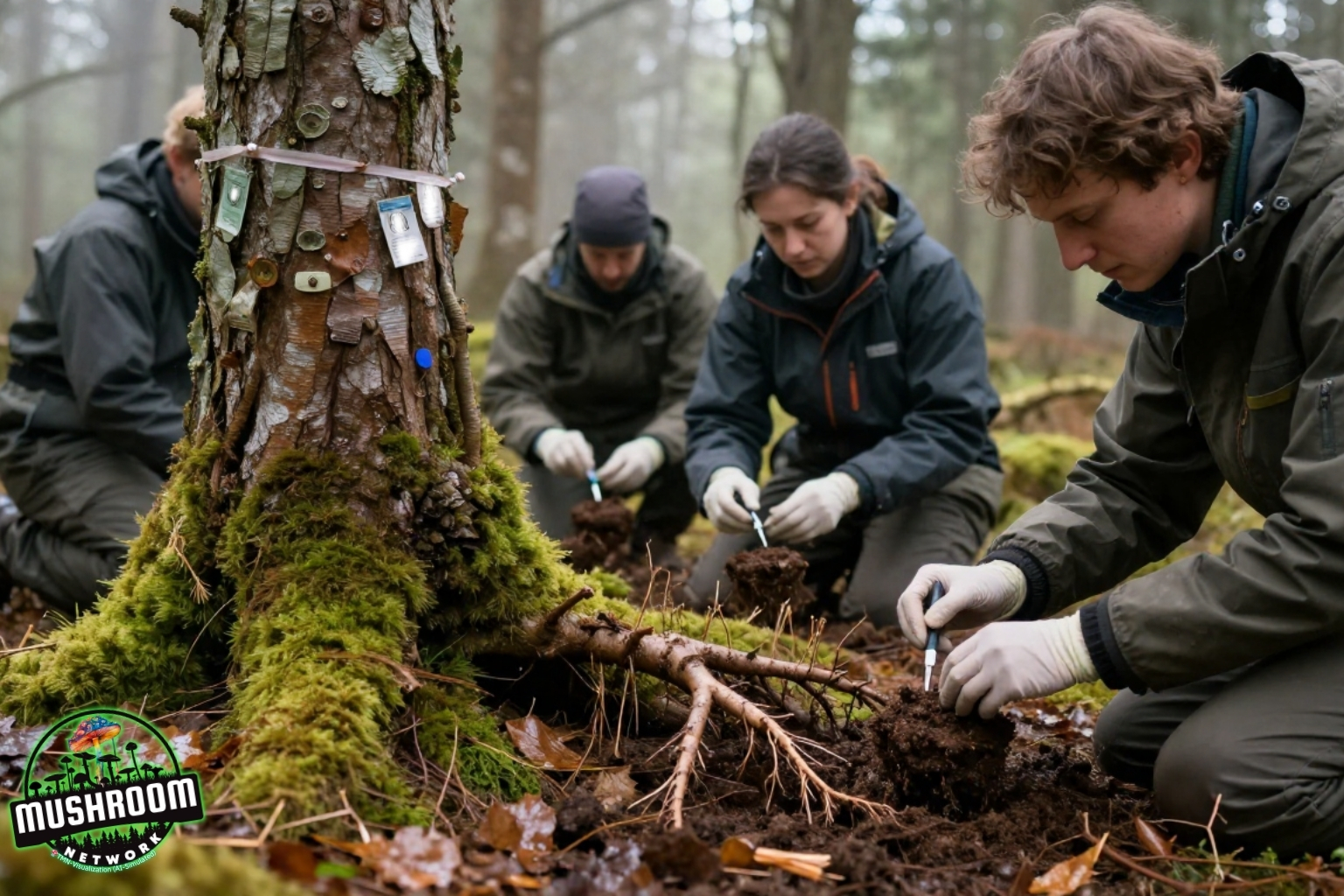
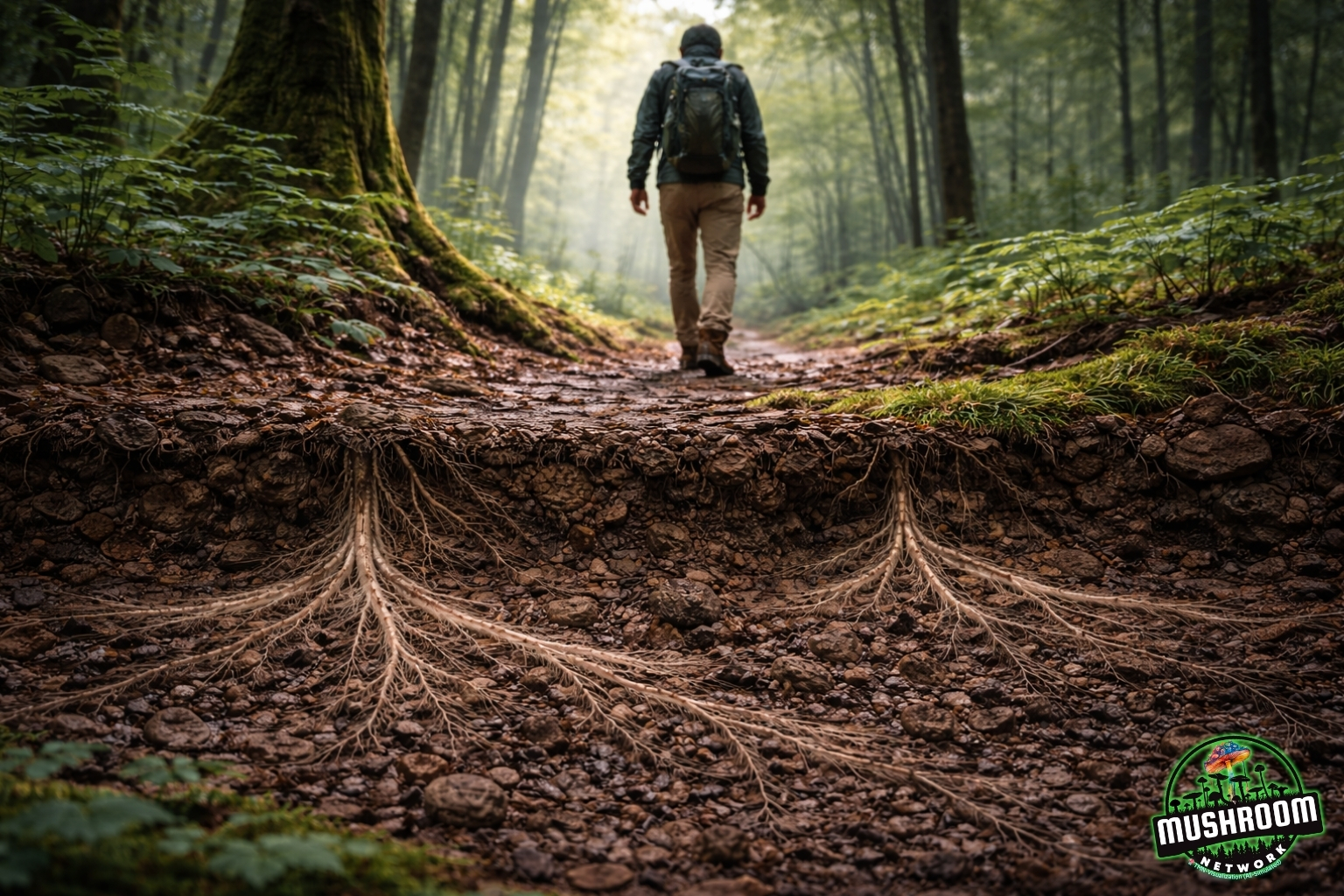
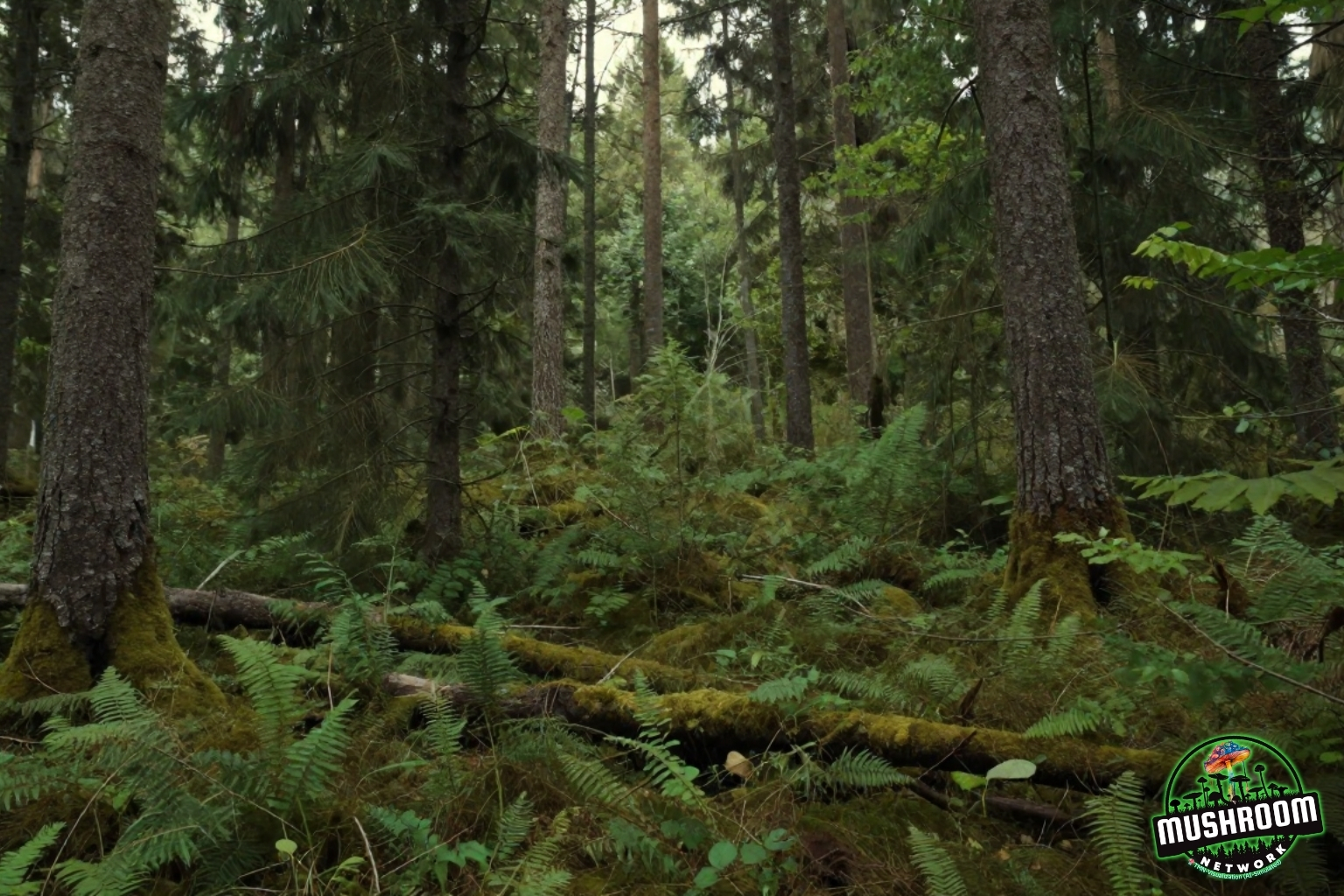
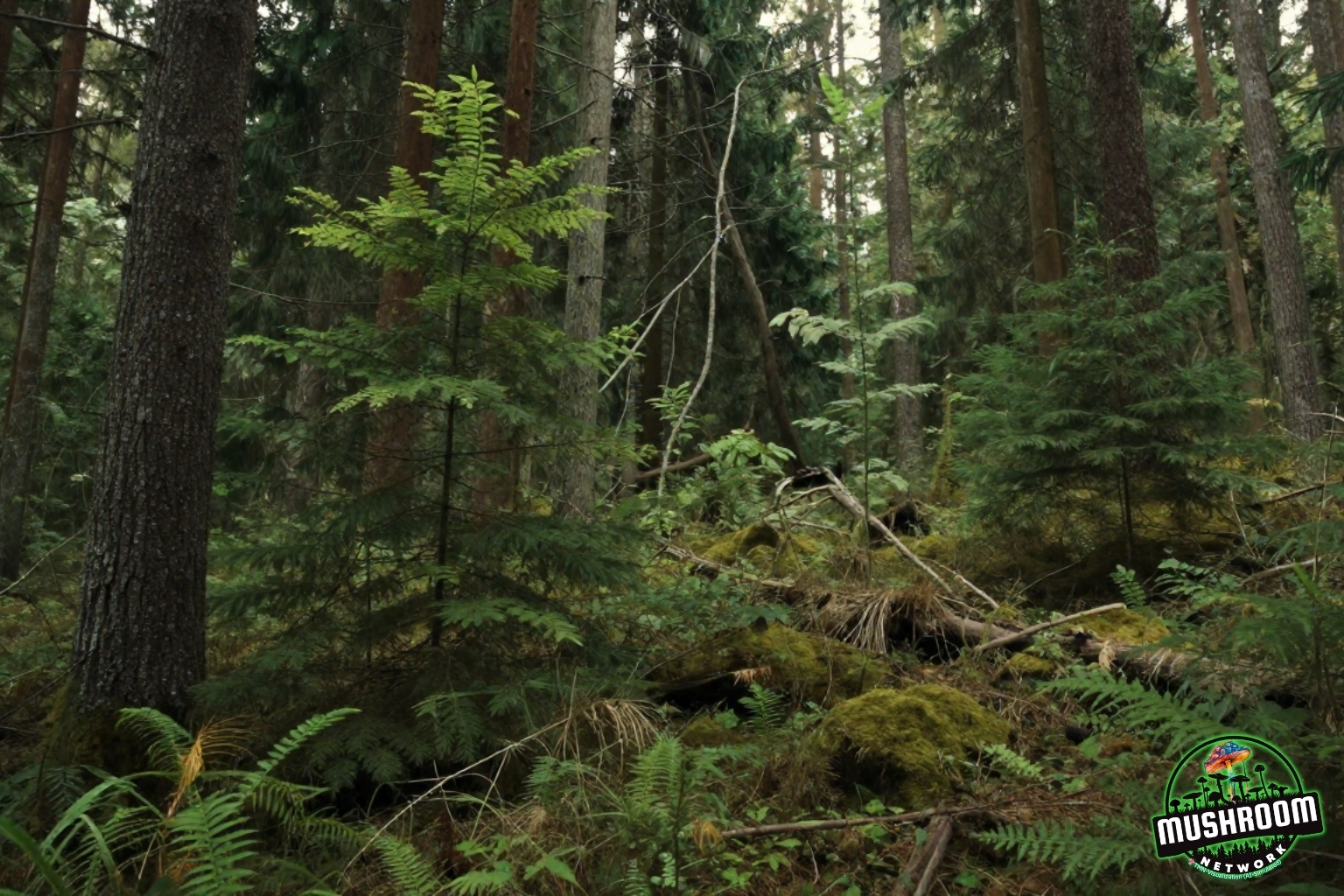
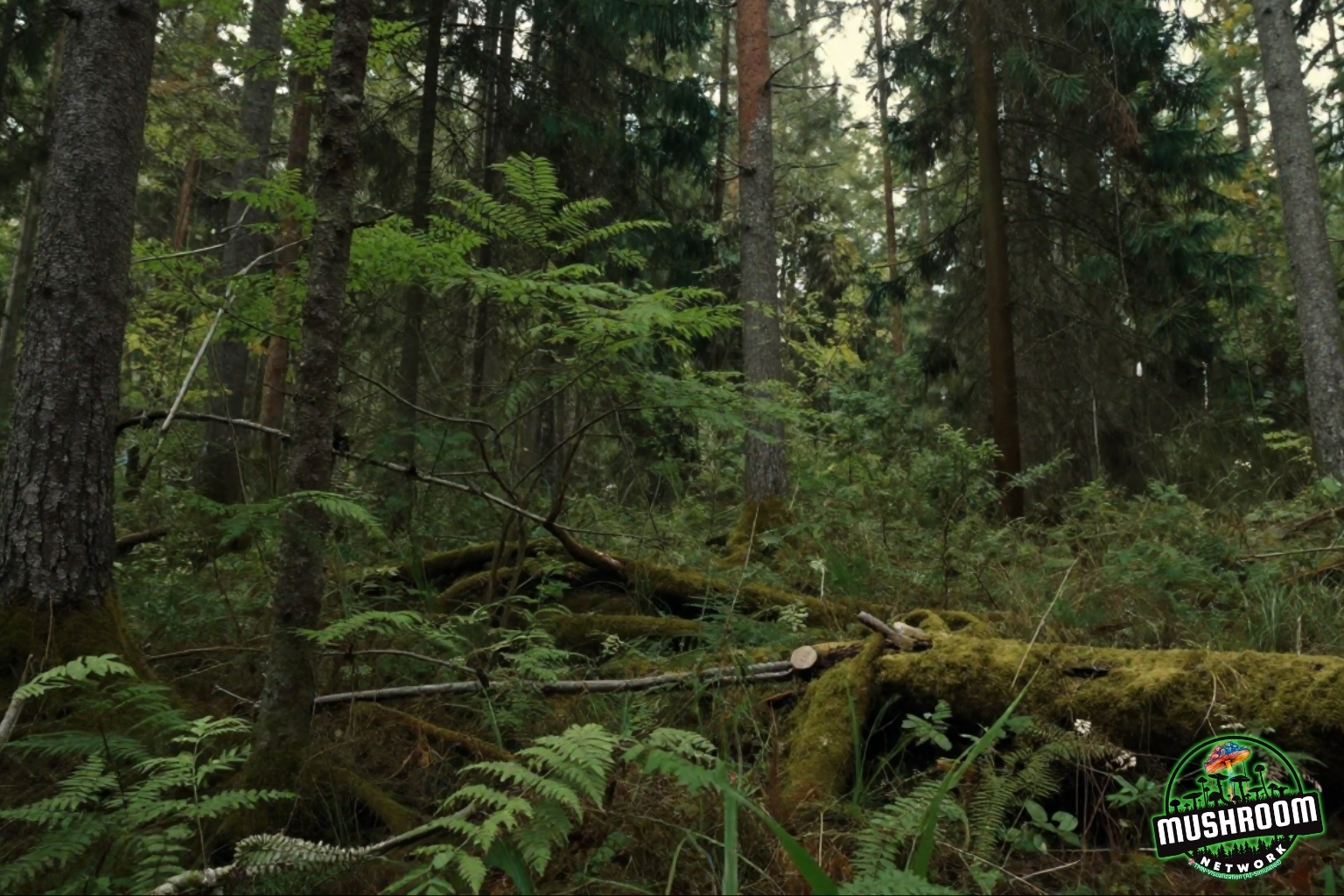
Pause, Myco-Wanderer. That mossy path you tread might just be a superhighway. Beneath your boots, threads of fungi are pulling off climate miracles in silence. In the tattered remnants of Britain’s ancient hazelwoods, researchers are uncovering how fungal networks form the invisible architecture of rainforest regeneration. At Ballachuan Hazelwood—a rare relic of prehistoric forest—SPUN scientists are sampling fungal DNA around tree roots, decoding the hidden mycelial highways that connect saplings to survival.

But this is no local tale. It’s part of a planetary project stretching from Scotland’s drizzle to Colombia’s lush jungles to Palmyra Atoll’s remote shores. Everywhere, fungi are proving they are not the background crew of ecosystems, but the architects—rewiring fragmented habitats into living, breathing forests again.

"Fungi show us that transformation is a continuous cycle, rich with potential."

Scotland’s Hidden Forest DNA

DNA of the Dirt

Environmental DNA (eDNA) is basically CSI for soil. Imagine licking the ground (not recommended unless you’re into intestinal roulette), and instead of tasting mud, you’re tasting the ghostly fingerprints of everything that’s lived there. Every fungal hypha, every root-tip handshake, every decomposed squirrel turd—it’s all archived. At Ballachuan Hazelwood in Scotland, researchers are turning this dirt-library into scripture, each sequence a holy hymn of survival. Forget Tinder swipes—fungi have been speed-dating trees for millions of years, and eDNA is the chat log.

Why Hazelwoods Matter

Back in the day (and I mean Celtic druids sacrificing goats to the moon back), temperate rainforests covered Britain like a mossy shag carpet. Now? Less than 1% survives. But Scotland, ever the gloomy, wet, whiskey-breathed uncle of the UK, has just the right conditions left. The soils are damp, fertile, and fungal AF. Hazelwoods are like the last rave in town—the bass is thumping, the spores are glowing, and everyone’s invited. These woods aren’t dead relics; they’re hibernating party venues waiting for fungi to drop the beat and resurrect the dance floor.

Architects of Restoration

Fungi aren’t just passive wallflowers—they’re the architects, the contractors, and the bouncers at the door. They decide which seedlings get the VIP pass, who’s left out in the cold, and which ecosystems get rebuilt. Mycorrhizal networks literally redistribute carbon like communist spore overlords, keeping trees alive through sugar socialism. At Ballachuan, fungi are holding the architectural blueprints for rainforest revival, rolled up in their hyphal sleeves. Want to know the climate’s future? Ask the dirt. Spoiler alert: the dirt has opinions, and it’s sassier than you think.

A Planetary Fungal Restoration Project

Fungal Cartographers

Enter the Society for the Protection of Underground Networks (SPUN)—basically the Indiana Jones fan club for fungi, except with fewer whips and more soil probes. These fungal cartographers aren’t mapping treasure chests or forgotten tombs—they’re drawing the Wi-Fi coverage map of Earth’s underground. Scotland’s hazelwoods? Check. Colombia’s cloud forests? Double check. Even Palmyra’s remote atolls, where hermit crabs gossip about coral politics, are on the list. Each site is a pixel in a planetary mural, and when you zoom out far enough, the whole thing looks like the Earth is wearing a glowing, spore-lit circuit board.

Fragmentation vs. Connection

Here’s the deal, Cosmic Traveler: when fungal networks break, it’s not just “oops, the mushrooms died.” It’s ecological heart failure. Seedlings lose their sugar daddies, soils turn to sandcastles in the rain, and suddenly you’ve got a biological Jenga tower toppling in slow motion. Fragmentation is nature’s equivalent of dropping your phone in the toilet. But reconnect the mycelial cables—rewire the underground internet—and suddenly everything pings back online. Saplings reboot, streams stabilize, ecosystems DM each other again. The forest goes from buffering wheel of death to smooth 4K streaming.

H5: A Climate Hero’s Toolkit

The beauty of fungi is they don’t need us to hand them a screwdriver, an instruction manual, or a TED Talk on how to fix the planet. They’ve had 1.3 billion years of R&D. Their toolkit is locked, loaded, and fungal as hell:

  • Carbon storage: They’re the planet’s shady accountants, tucking carbon away in underground vaults.

  • Nutrient cycling: They redistribute resources with the generosity of socialist grandmas at a family potluck.

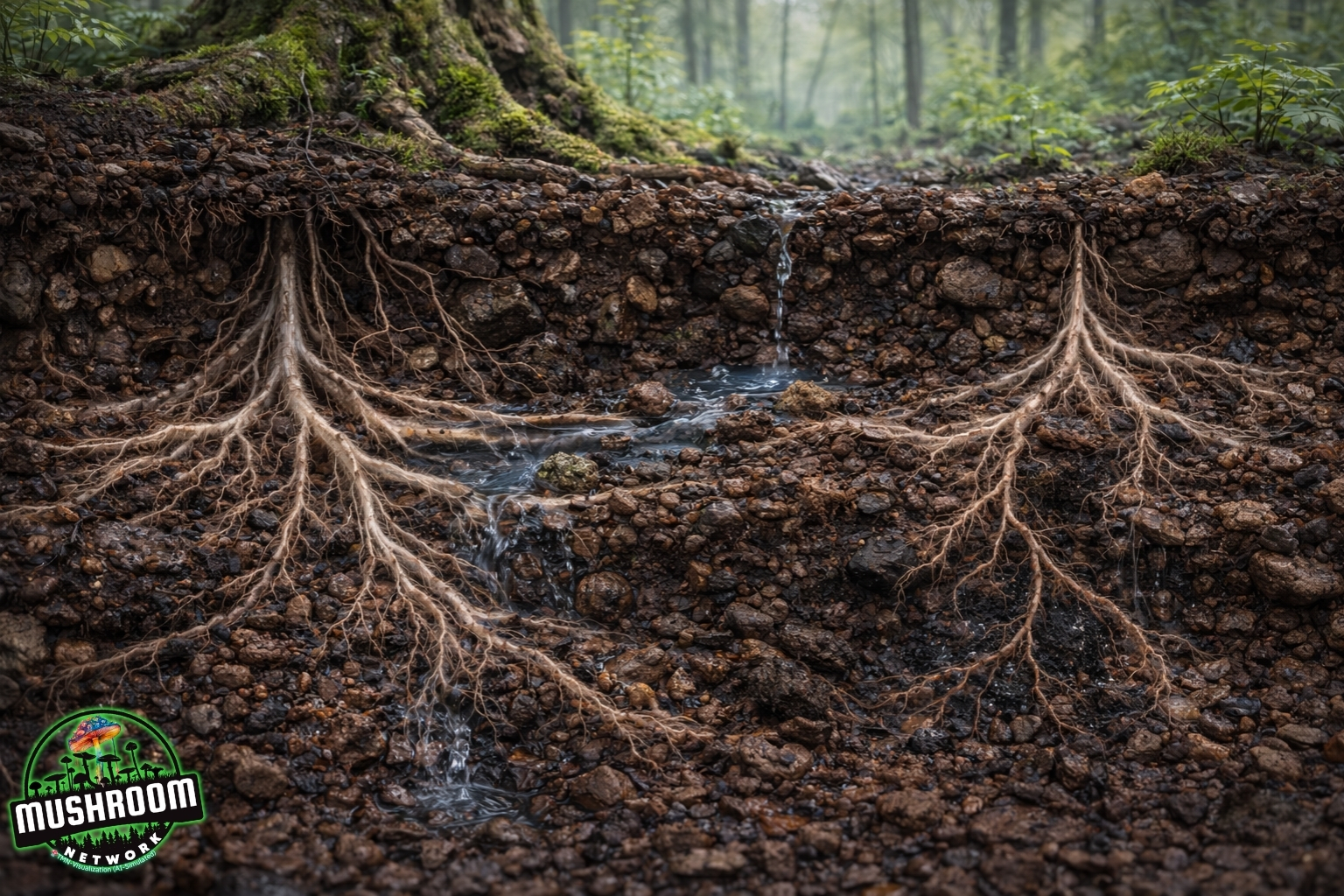
  • Water distribution: They pipe hydration through soils like living plumbing systems.

Unlike geoengineering fantasies that cost billions and often sound like Bond villain projects (“Let’s spray the stratosphere with glitter dust!”), fungi already work, quietly and for free. All humanity has to do is stop stomping on them with bulldozers and start protecting them like the climate heroes they are.

Rainforests of the Future—Written in Spores

Carbon Custodians

Think of fungi as the Swiss bank accounts of the carbon world, except instead of shady billionaires, they’re storing gigatons of CO₂ beneath our feet. These microscopic money managers lock away carbon in soil vaults so secure that even climate change hackers can’t crack the code. Forest revival without fungi? Forget it. They’re the accountants, janitors, and spiritual therapists of the ecosystem all rolled into one. And here’s the kicker: protecting them is one of the cheapest, most effective climate strategies humanity’s ever had—no lasers, no billion-dollar sci-fi projects, just good old dirt worship.

Hope in the Moist Soil

Now don’t get too doomscroll-y, Myco-Wanderer. Unlike the Amazon, which has been chainsawed into trauma, Britain’s temperate rainforests still have the goods: moisture, fungal networks, and a damp, kinky vibe that fungi absolutely adore. It’s like finding an old hard drive labeled “forest.exe” and realizing the mycelial code is still intact. All it takes is a reboot, a little patience, and maybe a ceremonial rain dance (optional, but fungi like a show). That soggy Scottish soil isn’t a grave—it’s a resurrection chamber waiting for spore activation.

Rewilding with Fungal Blueprints

Here’s the truth bomb: the forests of tomorrow won’t be drafted in stuffy policy papers typed by dudes in suits who haven’t touched moss since summer camp. They’ll be scripted in spores, filaments, and fungal DNA. Fungi are the architects, engineers, and urban planners of the natural world, sketching blueprints in hyphae long before humans even figured out pants. Our role? Simple: shut up, step back, and let them build. Rewilding isn’t about domination—it’s about collaboration. If humanity learns to listen to the whispers in the soil, we might just find that the future of climate hope is already pulsing beneath our boots, glowing with the neon ink of the Grand Cosmic Mycelial Network.

🌟 MycoTip the Network! 🌟

Send bitcoin sats, drop spores. Every MycoTip fuels our cosmic mycelial mission!
Scan to tip Lightning
Lightning Address: themushroomnetwork@vipsats.app
Send Spores Now

🌀 Myco-Conclusion: The Network as Earth’s Climate Hero

In the epic Netflix series of Earth’s climate survival, trees are always cast as the leading actors—tall, leafy divas swaying dramatically in the wind. But the real stars? They’re underground, unpaid, and working overtime: the fungi. These spore-laced unions of hyphae weave the invisible contracts that let forests breathe, exchange currencies of carbon, and file away the memories of ecosystems past.

From Scotland’s misty hazelwoods to Colombia’s cloud-drenched jungles, fungi are out here serving full restoration realness. They’re not dabbling in fantasy—they’re executing hard science with flair. Spores remember. They remember ancient forests, extinct alliances, and forgotten rains, and they whisper those stories back into the soil like bedtime tales for seedlings. With their help, rainforests can rise again—not as relics of yesterday but as living, fungal-coded futures.

So here’s the fungal gospel, Myco-Patron: the Grand Cosmic Mycelial Network has been shouting at us since the first tree dared to dream. The question isn’t whether the Network speaks—it always does. The question is, will humanity finally shut up long enough to listen?

Suggested Myco-Articles For You:

The Mushroom That Ate Plastic—And Other Biotech Shroom Revelations

The Mushroom That Ate Plastic—And Other Biotech Shroom Revelations Some mushrooms feed on wood. Some feed on dead bugs. This one craves plastic. Start Your SporeDive 🌌 You’ve heard of composting. Maybe even of mycoremediation. But did you know some mushrooms eat plastic? That’s not a sci-fi concept—it’s real, and...

Read More...

Symbiotic Systems: Why Life Chooses Cooperation

Nature documentaries lied to you. Not maliciously. Just… dramatically. Because if you actually look closely at how life works, it’s less claws-and-chaos and more spreadsheets-and-cooperation, with fungi quietly doing logistics in the background. This is the story of the underground networks that make forests function, bodies survive, and ecosystems outlive...

Read More...

🌍 Underground Rainforest Networks: Fungi as Climate Heroes

Hidden beneath our feet are the fungal freeways that could rewrite Earth’s climate story. In Scotland’s Ballachuan Hazelwood, scientists from SPUN are sequencing fungal DNA to reveal the networks that let seedlings thrive and forests recover. This work stretches across the globe—from Colombia to Palmyra Atoll—mapping the Grand Cosmic Mycelial...

Read More...
Myco-Article v1.0.4

How sporetacular was this post?

Tap a star to send your spores of approval (or helpful feedback!)

Oh no! The spores missed their mark…

Let’s co-create a sporetacular post together!

Share your wisdom—how can we make this more Cosmic?

wpChatIcon