You Thought Humans Discovered Mushrooms. They’ve Been Studying You.

Somewhere beneath your feet, a fungus has already adjusted to your presence.
The Network That Connects Us All!
The idea that ecosystems function as complex, self-organizing intelligences—with fungi as key communicators.

Somewhere beneath your feet, a fungus has already adjusted to your presence.

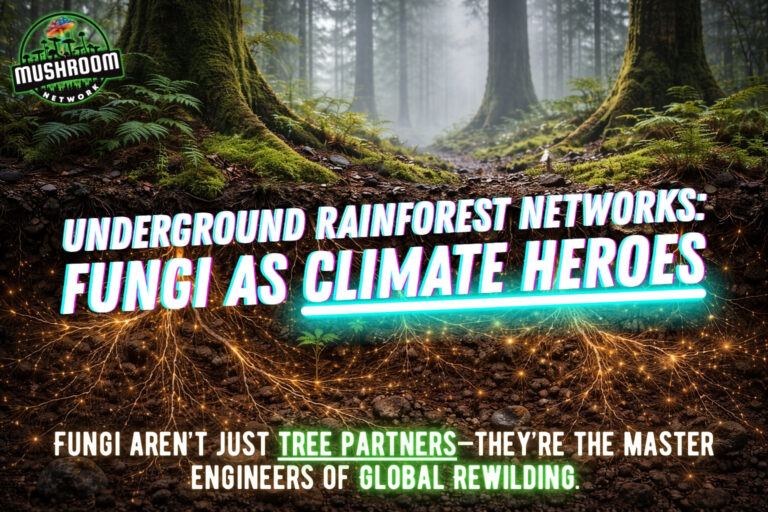
Nature documentaries lied to you. Not maliciously. Just… dramatically. Because if you actually look closely at how life works, it’s less claws-and-chaos and more spreadsheets-and-cooperation, with fungi quietly doing logistics in the background. This is the story of the underground networks that make forests function, bodies survive, and ecosystems outlive extinctions. Read this if you enjoy having your assumptions gently dismantled and replaced with something smarter.
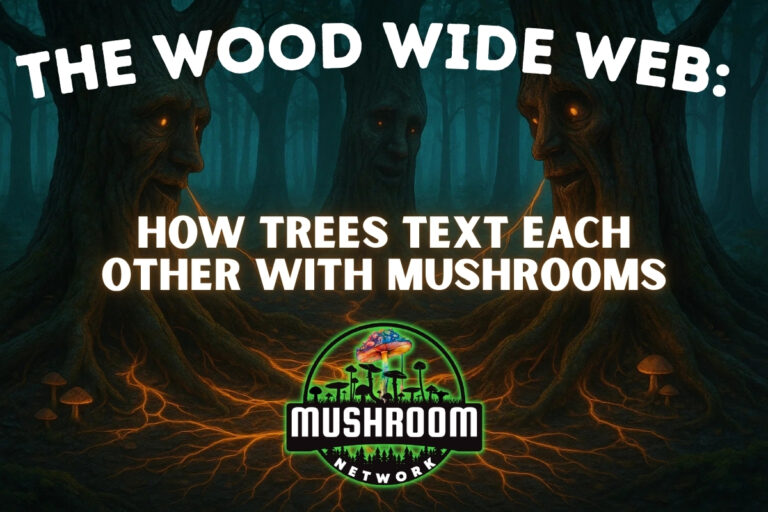
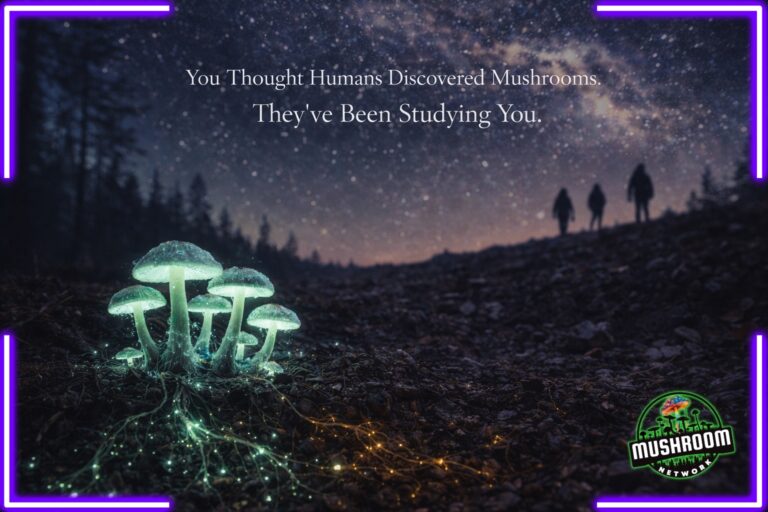
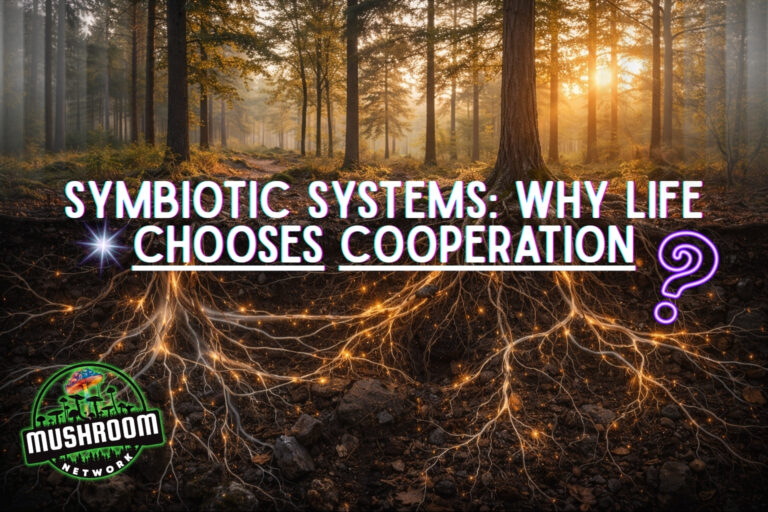
Somewhere below your toes, a network older than human speech pulses with life. Trees aren’t standing still—they’re texting each other using mushrooms as messengers. Welcome to the Wood Wide Web: an underground internet powered by mycelium, where forests share food, warnings, even emotional support. This isn’t fantasy. It’s fungal science with a Wi-Fi twist. Plug into the Grand Cosmic Mycelial Network and prepare to have your mind rooted

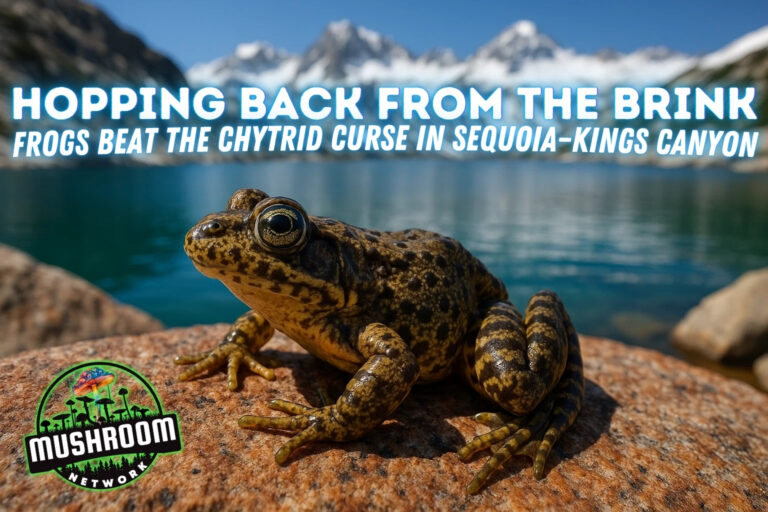
For decades, chytrid fungus (Bd) has slashed amphibian populations across the planet, erasing species and silencing wetlands. But in Sequoia–Kings Canyon, the tide is turning. This week marks the release of another wave of antifungal-protected Sierra Nevada yellow-legged frogs—bringing the total to about one thousand individuals reintroduced into their ancestral waters. It’s not just a wildlife win—it’s a resurrection chorus echoing through the high Sierra. The Grand Cosmic Mycelial Network may hum for mushrooms, but today, it’s singing for frogs.