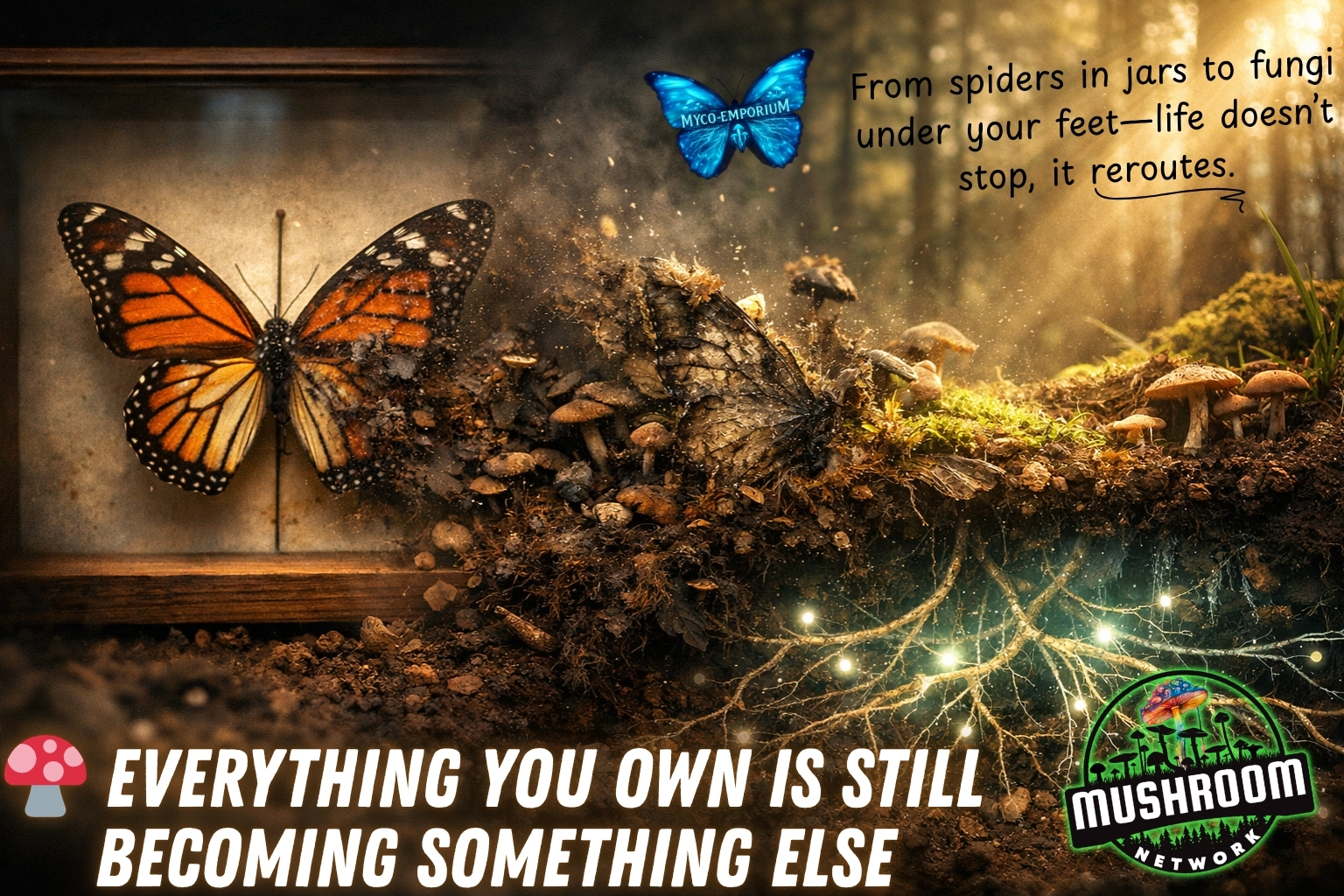
๐ Everything You Own Is Still Becoming Something Else
From spiders in jars to fungi under your feetโlife doesnโt stop, it reroutes.
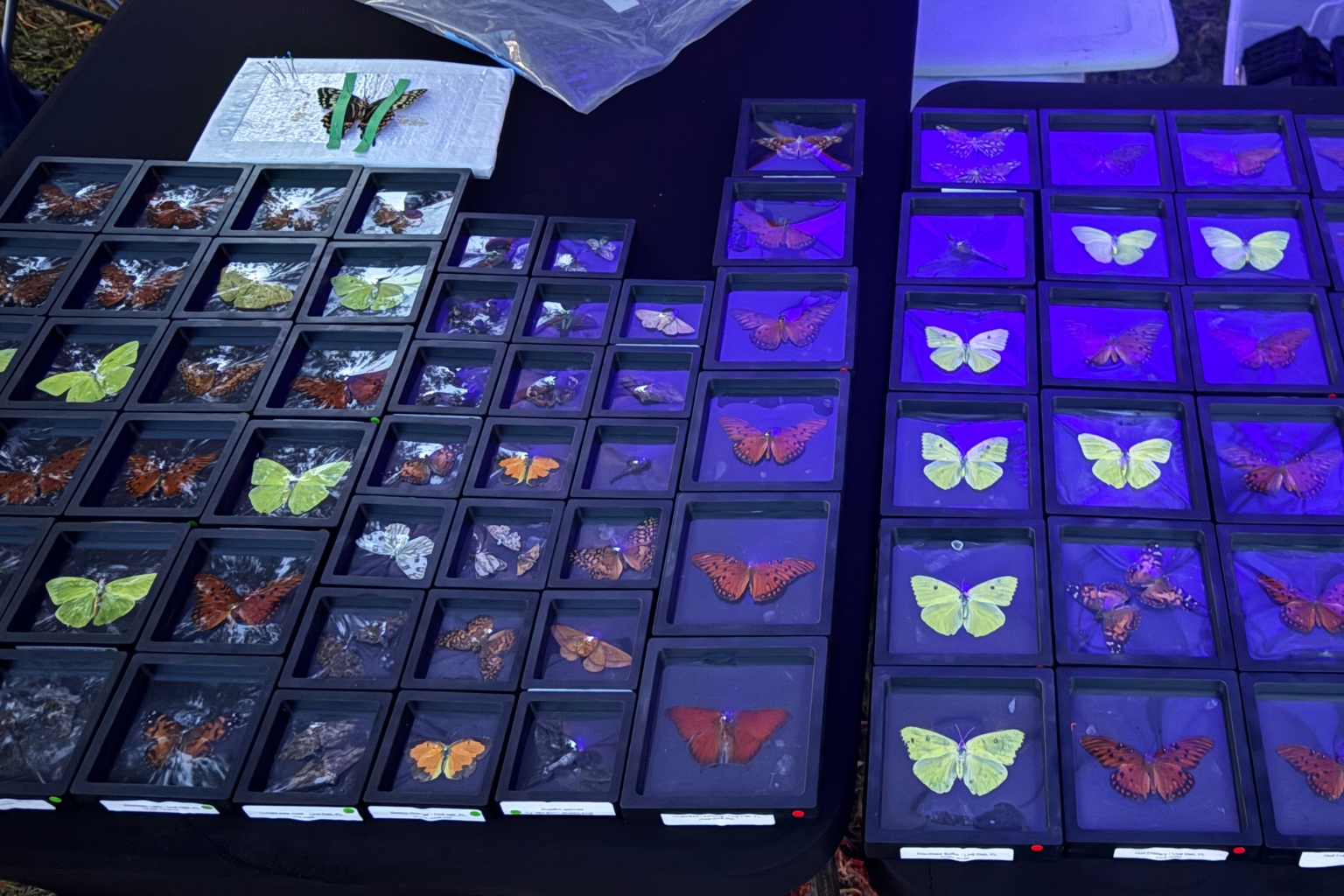
You pin a butterfly. You seal a jar. You mount a skull.
Congratulationsโyouโve just paused a story, not ended it.
Because hereโs the uncomfortable, slightly thrilling truth: nothing you collect is actually โdeadโ in the way you think. Cells collapse, sureโbut molecules keep negotiating, fungi start whispering, bacteria clock in like night-shift janitors, and ecosystems begin forming tiny, invisible sequels.
And the wildest part?
Some things you think are aliveโฆ are closer to being paused than youโd like.
๐ฑ The Lie We Tell Ourselves About โDead Thingsโ
We grow up with a neat, comforting binary: alive or dead. Heart beating? Alive. Heart stopped? Dead. Case closed, biology solved, everyone go home. But realityโespecially biological realityโis deeply uninterested in our neat categories.
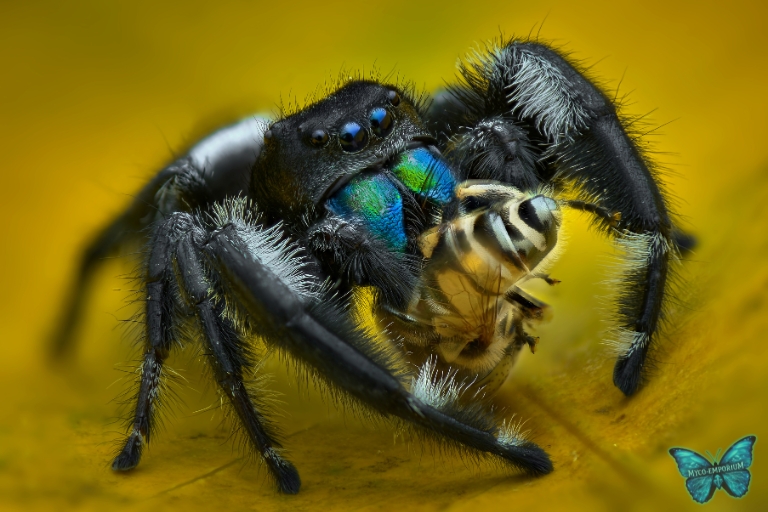
When you collect a jumping spider, preserve a butterfly, or admire a taxidermy fox, youโre not witnessing a full stop. Youโre witnessing a transition. Energy disperses. Microbes mobilize. Molecular structures persist. Entire new ecological narratives begin at scales we rarely notice.
And fungiโoh, fungiโtreat โdeathโ like a networking opportunity.
Hereโs the part nobody tells you: โdeadโ is not a biological state. Itโs a human compression of something far messier. Because matter never stops behavingโit just stops behaving in ways we recognize as life.
Zoom in, and the illusion collapses. Proteins still shift. Lipids oxidize. DNA fragments linger like half-burned letters refusing to fully disappear. Microbes arrive not as invaders, but as successors.
Micro-payoff: Even long-preserved specimens can retain usable molecular informationโmeaning โendedโ organisms still carry readable biological history.
So what youโre holding isnโt an ending. Itโs a paused configuration mid-transformation.
And once you accept thatโฆ the definition of โaliveโ starts to wobble.
๐ท๏ธ The Illusion of Control: Living Specimens Arenโt as โAliveโ as You Think
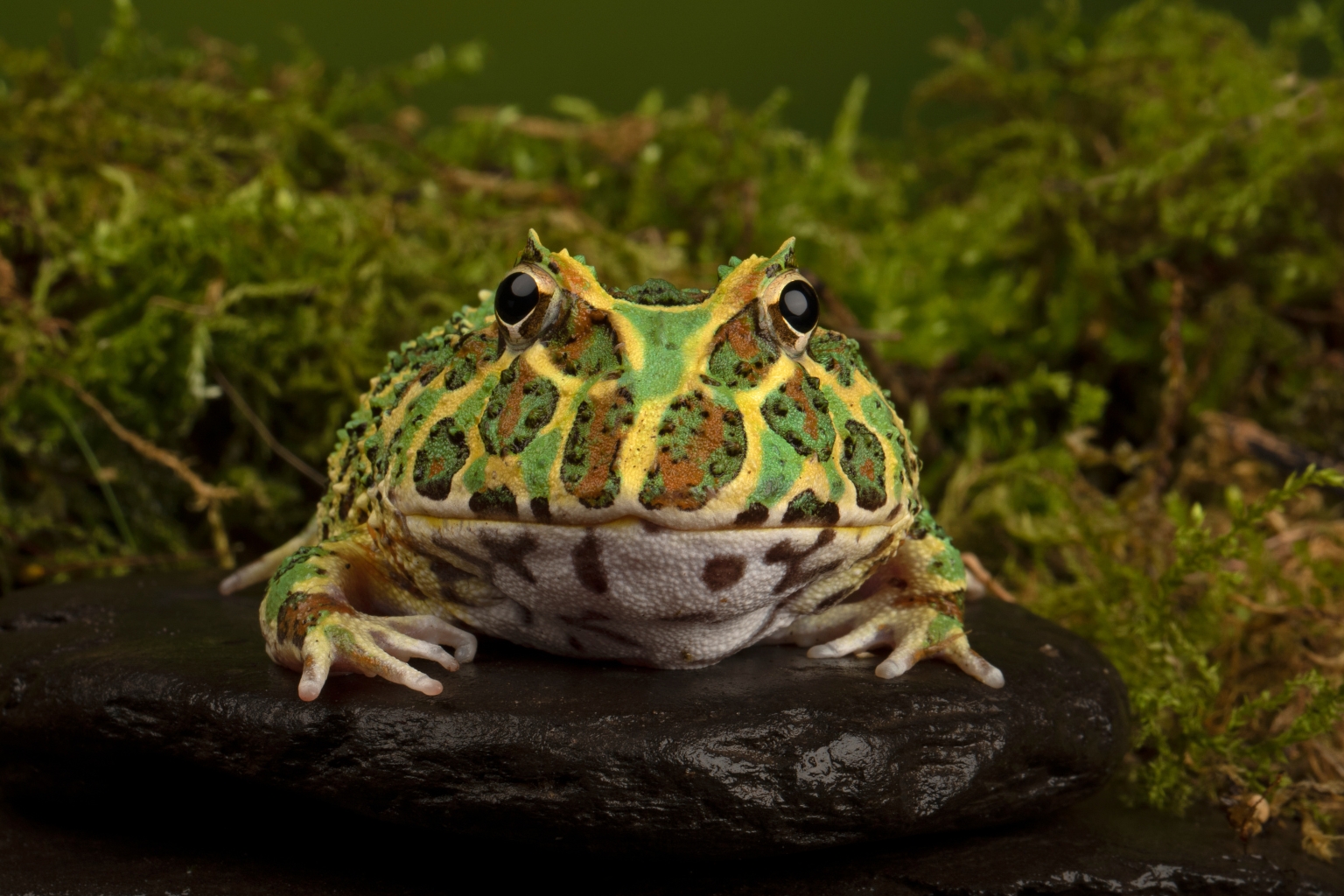
A jumping spider stares at you like itโs already read the ending of your life and decided not to spoil it. A frog breathes in slow, deliberate pulsesโlike a tiny green metronome keeping time for something older than you.
These are alive. Obviously. No debate. Movement, awareness, metabolismโthe full checklist.
And yetโฆ
Hereโs where it gets quietly uncomfortable.
Even in these perfectly โaliveโ creatures, things are falling apart constantly. Cells are dying by the millions. Proteins are breaking down and being rebuilt like a construction site that never clocks out. DNA is taking damage and patching itself up like software that ships with bugs and justโฆ keeps updating forever.
Life isnโt stable.
Life is maintenance under pressure.
Think of it like a spinning plateโclassic circus act. As long as energy keeps flowing inโfood, oxygen, warmthโthe plate stays upright, obedient, impressive. But cut the input? It doesnโt shatter instantly. It wobbles. Slows. Starts redistributing its motion into the air, the stick, the inevitable floor.
Thatโs life. Not a state. Not a condition.
A performance against collapse.
Now hereโs the part nobody tells youโbecause it sounds like something youโd whisper in a cave: some organisms donโt just perform this balancing actโฆ they pause it.
Certain frogs can freeze. Not metaphorically. Not poetically. Literally freeze. Ice forms between their cells while special compounds keep those cells from bursting like forgotten soda cans in a freezer. Metabolism slows to nearly nothing. Heart stops. Movement stops. Everything you were taught to associate with โaliveโโฆ stops.
And thenโwhen conditions improveโthey justโฆ resume.
Like someone hit play.
Micro-payoff: These frogs arenโt cheating death. Theyโre demonstrating that โdeathโ isnโt always a clean boundaryโitโs sometimes just a timing issue.
So when we say something is alive, what we really mean is:
โIt is currently winning its argument with entropy.โ
Thatโs it. Thatโs the whole definition, stripped of comfort.
And when that argument stops being actively maintainedโฆ
Nothing disappears. Nothing vanishes into philosophical smoke.
The system simply hands the process off.
Which means your butterfly?
Oh, your butterfly didnโt lose.
It just stopped negotiating.
๐ฆ Taxidermy: The Worldโs Most Elegant Pause Button
A butterfly pinned mid-flight looks like it made a decision and then immediately forgot what it was. Wings open, colors intactโsuspended in a moment so complete it almost convinces you itโs permanent. A taxidermy animal carries that same quiet audacity, posed with just enough realism that you half-expect it to blink the second you look away.
But letโs ruin that illusion properly.
Preservation is not stopping lifeโitโs interrupting a sentence halfway through. What youโre seeing isnโt an ending. Itโs a pause imposed on a process that was already in motion.
Because decay, despite its reputation, is not chaos. Thatโs the first lie. Decay is coordinationโbacteria, fungi, enzymes, and moisture working together like a demolition crew that also doubles as architects. They donโt destroy things for sport; they dismantle complexity so it can be reused somewhere else. Itโs less โendingโ and more redistribution with intent.
When you preserve somethingโdry it, chemically treat it, freeze itโyou donโt erase that system. You interfere with it. You slow it down, disable certain players, and stretch the timeline until it resembles stillness. But it isnโt still. Itโs waiting.
And reality refuses to be subtle about this. Museum specimens over a century old still contain fragments of DNAโnot whole, not functional, but readable. Like a book torn apart that still whispers its story if youโre patient enough to piece it together. Even the faint smell inside an old collection box isnโt nostalgiaโitโs chemistry continuing at a pace so slow it feels like silence.
So no, itโs not dead.
Itโs just quiet.
Which leads to the part most people donโt like to sit with: taxidermy is not immortality. Itโs a stalemateโa very elegant, very temporary stalemate with decomposition. Given enough time, even the most carefully preserved specimens can host microscopic fungi and bacteria. Not invasions, but continuations. The process never stopped. It simply changed tempo.
So your collection isnโt a vault. It isnโt frozen in time.
Itโs a slow-motion ecosystem with excellent posture.
And that raises a question that tends to linger longer than people expect:
If you didnโt end the processโฆ
who, exactly, is continuing it?
๐ The Network That Turns Endings Into Infrastructure
Fungi do not believe in deathโnot philosophically, not biologically, not even a little. To fungi, โdeadโ is just a word humans use when they stop paying attention.
What fungi see instead is something far more practical: availability.
The moment an organism stops actively holding itself togetherโstops burning energy to resist falling apartโfungi move in. Not as destroyers, and not even as invaders, but as translators. Their role is simple and relentless: take complexity and make it usable again.
Proteins, fats, carbohydratesโeverything is broken down, reassembled, and redistributed through networks so vast and interconnected they make human infrastructure look improvised. Mycelium spreads underground like a biological internet, linking roots, transferring nutrients, and reallocating matter with a quiet efficiency that rarely announces itself.
And hereโs the part that dismantles the illusion completely: nothing disappears.
Not your frog. Not your spider. Not your butterfly. Every atom is reassignedโinto soil, into plants, into other organisms, into the air itself. What you call an ending is simply a transfer of materials into a different system.
Life doesnโt stop.
It changes departments.
If life were a company, fungi would be the liquidation team that somehow turns total collapse into expansion. Entire ecosystems rely on this process. Some fungal networks stretch for kilometers, redistributing nutrients from decomposed organisms to support entirely different forms of life. What appears to end becomes structural support for what comes next.
Which brings us back to your collectionโand that idea of โpaused chapters.โ
Because fungi, in this story, are the editors. Not the gentle kind that fix punctuation. The kind that take your entire manuscript, break it down into raw components, and rewrite it as soil, roots, breath, and future life.
And somehow, the story doesnโt end. It continuesโjust in a form you didnโt expect.
So your collection isnโt a set of endings. Itโs a series of interrupted transfersโmoments where matter was caught mid-journey and held in place, briefly, by human intention.
But it doesnโt stay. It never stays.
Which leaves you with the only question that actually matters:
What is it becomingโฆ
while youโre busy calling it finished?
๐ MycoTip the Network! ๐
themushroomnetwork@vipsats.app
๐ Myco-Conclusion: Nothing EndsโIt Just Changes Departments
If nothing is truly dead, then everything you own is not a finished objectโitโs a moment in motion, temporarily held still by your perception.
Your specimens are not silent. They are simply operating in slower systems: chemical reactions, microbial succession, fungal redistribution. Processes that donโt need your attention to continue.
You didnโt end anything.
You paused it.
And that changes your role entirely.
You are not just a collector.
You are an archivist of transformation.
So hereโs the question that refuses to sit still:
If every ending is just matter changing rolesโฆ
Are you preserving lifeโ
or curating what it becomes next?
And the next time you look at that butterflyโperfect, still, suspendedโ
Remember:
It didnโt stop.
It just passed the story forwardโฆ to something smaller, quieterโฆ
โฆand infinitely patient.
Suggested Myco-Articles For You:
๐ฟ Fungi: The Unsung Heroes of Forest Restoration
Forget capes and spandexโthe real superheroes of forest restoration wear hyphae. In Scotland, scientists are mapping the underground fungal web that keeps trees alive and entire ecosystems humming. With less than 1% of Britainโs ancient hazelwoods left, the Society for the Protection of Underground Networks (SPUN) is on a spore-fueled...
Read More...Can Mycelium Feel Music? The Answer Might Make You Cry
Youโve heard of plants responding to music. But what if mushroomsโthe mycelial masters of the underground
Read More...๐ฅ The Fractal Forest Algorithm: Maitakeโs Genetic Dance with Trees, Sugar, and Survival
Maitake, aka Grifola frondosa, isnโt just a fluffy gourmetโit’s a forest-born algorithm tuning blood sugar through fractal-coded polysaccharides. Deep within its tree-dwelling genetics lie SX- and D-Fractionsโcompounds that can modulate insulin response like a biological DJ. But Maitakeโs growth pattern, too, follows hidden forest codes: a genetic fractal geometry that...
Read More...Mushrooms Are Rewriting the Rules of Intelligence (And Nobody Told the AI Bros)
There is a fungus in the forest right now solving a problem you would struggle to describe, let alone fix.
Read More...Myco-Article v1.0.4 [Bravo]
How sporetacular was this post?
Tap a star to send your spores of approval (or helpful feedback!)
Oh no! The spores missed their markโฆ
Letโs co-create a sporetacular post together!
Share your wisdomโhow can we make this more Cosmic?