Tag The Network That Connects Us All

The Grand Cosmic Mycelial Network that links all life, knowledge, and spores across dimensions.

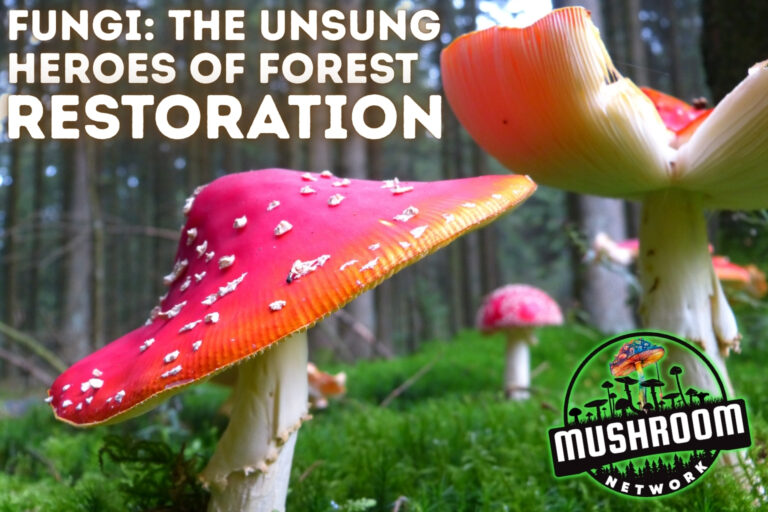
🌿 Fungi: The Unsung Heroes of Forest Restoration

Forget capes and spandex—the real superheroes of forest restoration wear hyphae. In Scotland, scientists are mapping the underground fungal web that keeps trees alive and entire ecosystems humming. With less than 1% of Britain’s ancient hazelwoods left, the Society for the Protection of Underground Networks (SPUN) is on a spore-fueled mission to restore life through the ultimate symbiotic alliance: tree + fungus. Turns out the future of forests depends on the tiniest architects in the dirt.

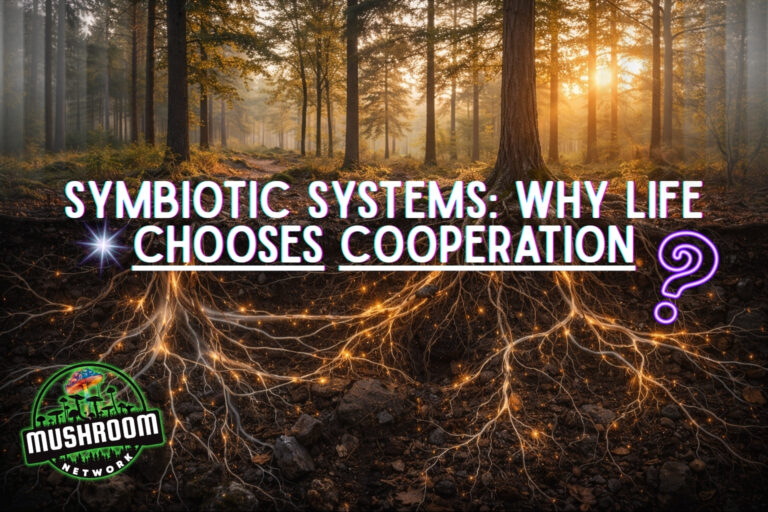
Symbiotic Systems: Why Life Chooses Cooperation

Nature documentaries lied to you. Not maliciously. Just… dramatically. Because if you actually look closely at how life works, it’s less claws-and-chaos and more spreadsheets-and-cooperation, with fungi quietly doing logistics in the background. This is the story of the underground networks that make forests function, bodies survive, and ecosystems outlive extinctions. Read this if you enjoy having your assumptions gently dismantled and replaced with something smarter.

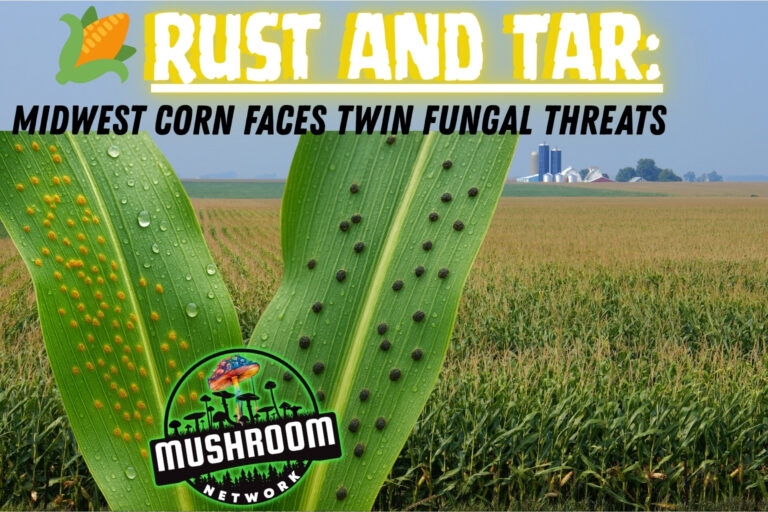
🌽 Rust and Tar: Midwest Corn Faces Twin Fungal Threats

The cornfields of Missouri and Illinois are once again in fungal crosshairs. Southern rust—fast, orange, and ruthless—teams up with tar spot’s stealthy black lesions to threaten millions of bushels. Together, they can strip photosynthetic power, shut down grain fill, and leave farmers staring at half-empty combines. Integrated defense—early scouting, resistant hybrids, and precision fungicide timing—is the only way to keep the harvest intact. Ignore the signs, and the spores will write the ending for you.

Silent Assassin: Rare Fungus Strikes in Sub-Saharan Africa

A rare fungal killer—Syncephalastrum oblongispora—has just claimed its first documented life in Sub-Saharan Africa. The victim: an HIV-positive patient whose weakened immune defenses were no match for this aggressive mucormycete. This isn’t just a tragic case—it’s a cosmic alarm bell that fungi don’t play favorites. They adapt. They invade. They kill. Myco-Patrons, the spores are reminding us: vigilance is survival.

DNA’s Secret Shroom Whisperers in Your Gut

Attention, Myco-Wanderers: the gut party isn’t just bacterial. Fungi—yes, the shadowy mycobiome—are in on the action, and your DNA is the cosmic bouncer deciding who gets in. Scientists just cracked the code linking human genes to fungal squatters, revealing how these spore-residents could drive obesity, autoimmune disorders, and even bowel wars. The fungi in your gut aren’t freeloaders—they’re genetically entangled with YOU.

Fungoracle Protocols: How Spores Predict Your Destiny

What if mushrooms could predict your choices before you made them? Enter the Fungoracle Protocols—a cosmic system of spore-based prophecy, memory recursion, and resonance alignment used by the most advanced fungal civilizations in the Myco-Verses. This isn’t metaphor. It’s spore-science meets quantum fate-tracking. Whether encoded in caplight, dream transmission, or your own DNA, the fungal realms may already know your next move. The question is: do you want to know it too?

🍥 The Fractal Forest Algorithm: Maitake’s Genetic Dance with Trees, Sugar, and Survival
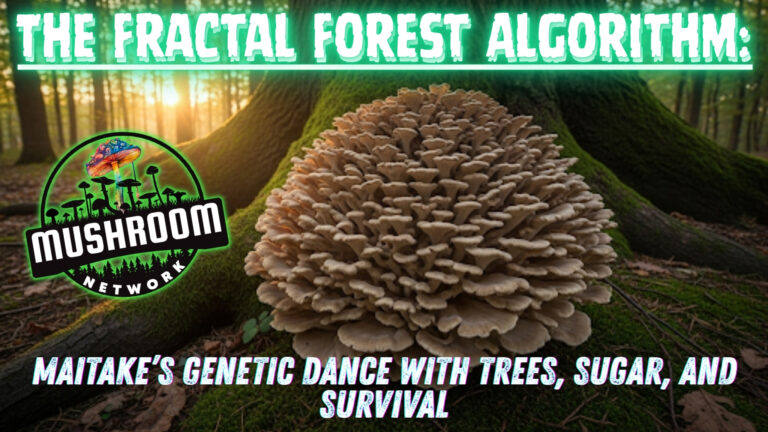
Maitake, aka Grifola frondosa, isn’t just a fluffy gourmet—it’s a forest-born algorithm tuning blood sugar through fractal-coded polysaccharides. Deep within its tree-dwelling genetics lie SX- and D-Fractions—compounds that can modulate insulin response like a biological DJ. But Maitake’s growth pattern, too, follows hidden forest codes: a genetic fractal geometry that mirrors the symbiosis of roots, sugars, and survival. What if this mushroom is showing us how nature thinks?

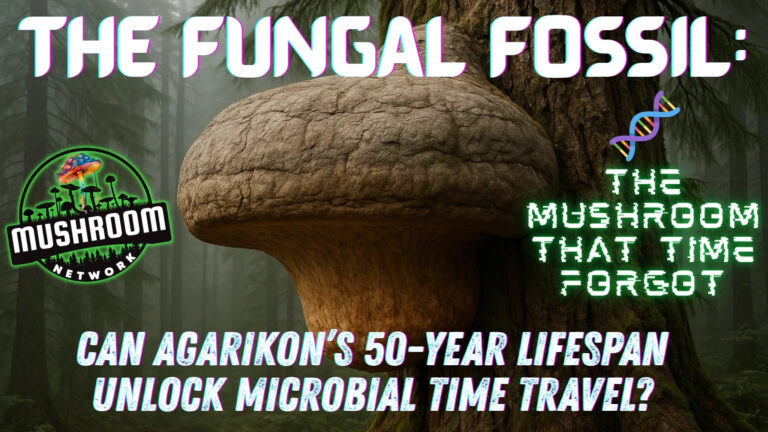
⏳ The Fungal Fossil: Can Agarikon’s 50-Year Lifespan Unlock Microbial Time Travel?

What if the cure to tomorrow’s viral outbreak was written into a mushroom that’s been growing since the ’70s? Enter Agarikon (Fomitopsis officinalis)—the long-living shelf fungus once used to treat plague symptoms and now being researched for its powerful antiviral genetics. From its towering, beehive-like form to its decades-long growth on ancient conifers, Agarikon might just be the fungal equivalent of a microbial time machine. Open the vault.

wpChatIcon