You Thought Humans Discovered Mushrooms. They’ve Been Studying You.

Somewhere beneath your feet, a fungus has already adjusted to your presence.
The Network That Connects Us All!
The collaborative intelligence between trees, fungi, bacteria, and roots—the underground economy of nutrients, signals, and resilience. Forest symbiosis is not passive—it\\\’s an active negotiation between beings in a living mycelial internet.

Somewhere beneath your feet, a fungus has already adjusted to your presence.

There is a fungus in the forest right now solving a problem you would struggle to describe, let alone fix.

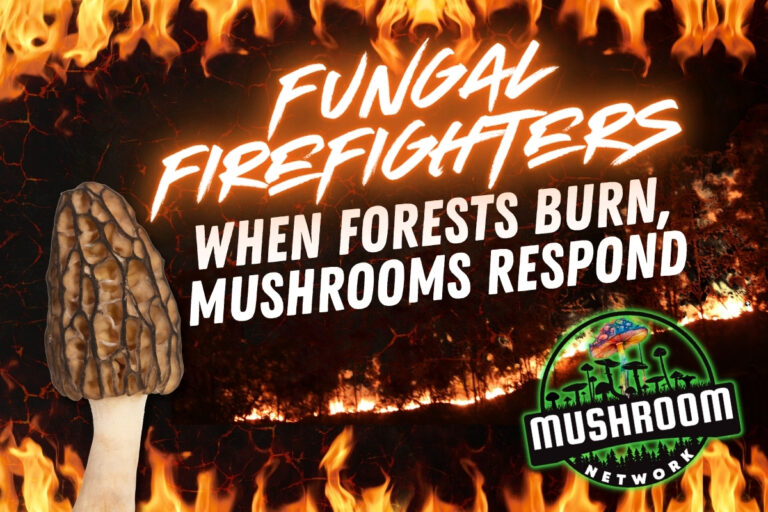
Mushrooms are the medics of the scorched earth. Fire is nature’s reset button—but it doesn’t end with charred stumps and silence. Beneath the ash, fungi rise first. They don’t just survive wildfires—they thrive in the aftermath, stabilizing soil, detoxifying the land, feeding regrowth, and literally stitching the forest back together. These are the unsung fungal firefighters of the ecosystem—Pyrophilous fungi—and they are as magical as they are mycelial. From the burnt bones of the forest, a new world is born—one spore at a time.

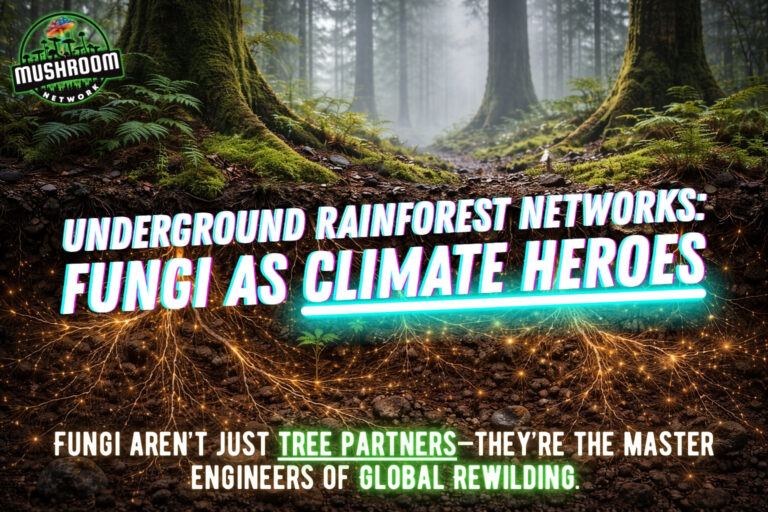
Hidden beneath our feet are the fungal freeways that could rewrite Earth’s climate story. In Scotland’s Ballachuan Hazelwood, scientists from SPUN are sequencing fungal DNA to reveal the networks that let seedlings thrive and forests recover. This work stretches across the globe—from Colombia to Palmyra Atoll—mapping the Grand Cosmic Mycelial Network as a restoration blueprint. With Britain’s moist climate still ripe for temperate rainforest revival, fungi are stepping up as climate heroes, rebuilding ecosystems one spore at a time.

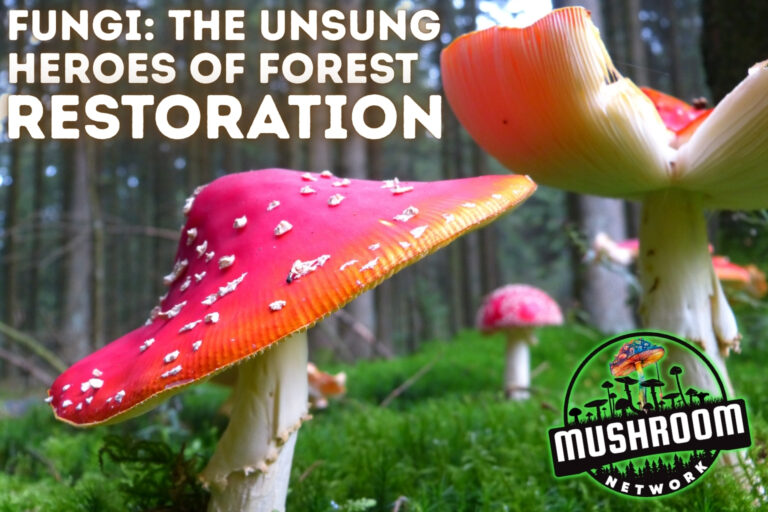
Forget capes and spandex—the real superheroes of forest restoration wear hyphae. In Scotland, scientists are mapping the underground fungal web that keeps trees alive and entire ecosystems humming. With less than 1% of Britain’s ancient hazelwoods left, the Society for the Protection of Underground Networks (SPUN) is on a spore-fueled mission to restore life through the ultimate symbiotic alliance: tree + fungus. Turns out the future of forests depends on the tiniest architects in the dirt.
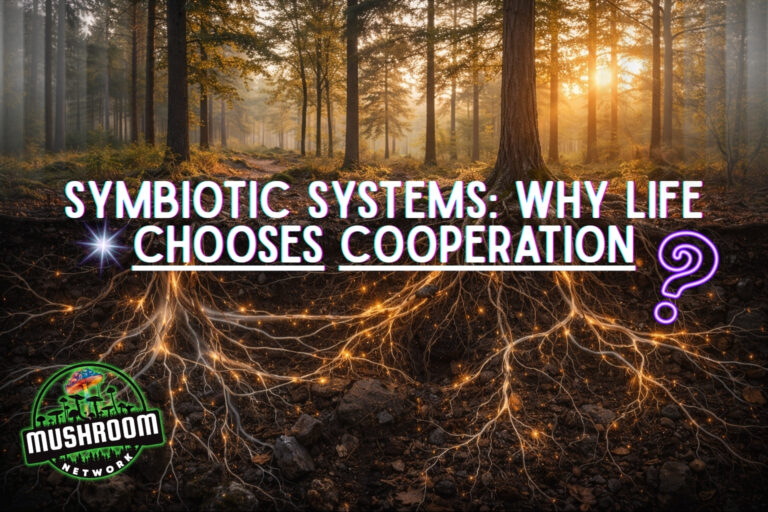
Nature documentaries lied to you. Not maliciously. Just… dramatically. Because if you actually look closely at how life works, it’s less claws-and-chaos and more spreadsheets-and-cooperation, with fungi quietly doing logistics in the background. This is the story of the underground networks that make forests function, bodies survive, and ecosystems outlive extinctions. Read this if you enjoy having your assumptions gently dismantled and replaced with something smarter.

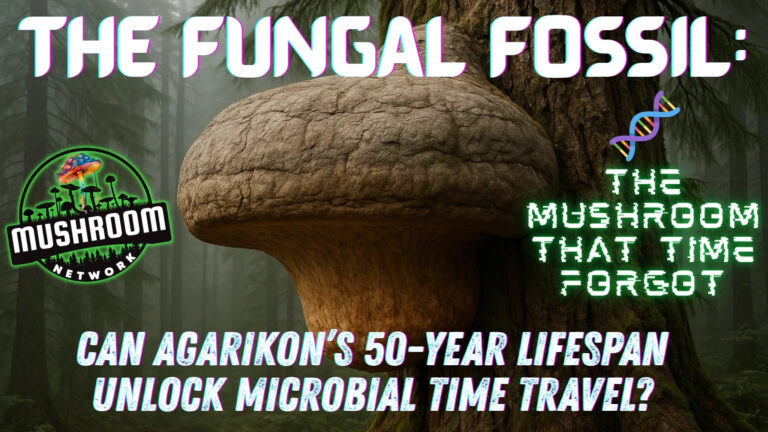
What if the cure to tomorrow’s viral outbreak was written into a mushroom that’s been growing since the ’70s? Enter Agarikon (Fomitopsis officinalis)—the long-living shelf fungus once used to treat plague symptoms and now being researched for its powerful antiviral genetics. From its towering, beehive-like form to its decades-long growth on ancient conifers, Agarikon might just be the fungal equivalent of a microbial time machine. Open the vault.

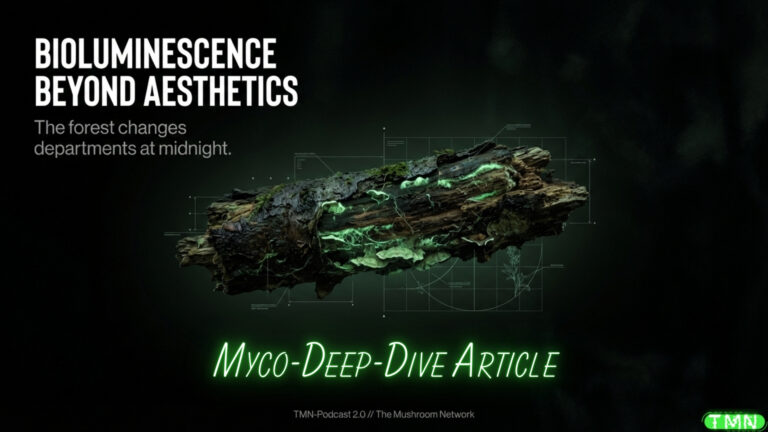
At night, parts of the forest don’t go dark — they glow. Bioluminescent fungi emit cold green light through a highly efficient chemical reaction that may function as both metabolic detox and ecological signaling. What looks like woodland ambiance might actually be evolutionary strategy. And once you realize nature doesn’t waste energy on aesthetics, the glow stops being magical and starts being deeply suspicious.