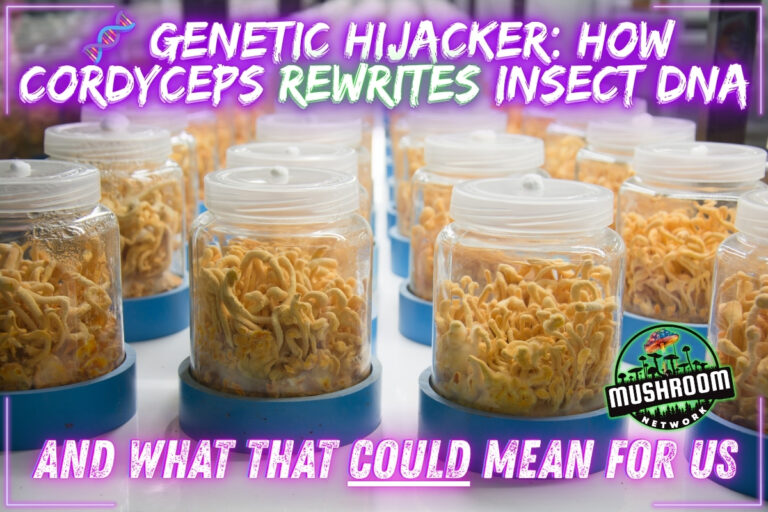
🧬 Genetic Hijacker: How Cordyceps Rewrites Insect DNA—And What That Could Mean for Us

You’ve seen the zombie ant memes. Now meet the real Cordyceps militaris—the fungus that doesn’t just possess its prey but reprograms their genetic destiny
The Network That Connects Us All!

You’ve seen the zombie ant memes. Now meet the real Cordyceps militaris—the fungus that doesn’t just possess its prey but reprograms their genetic destiny

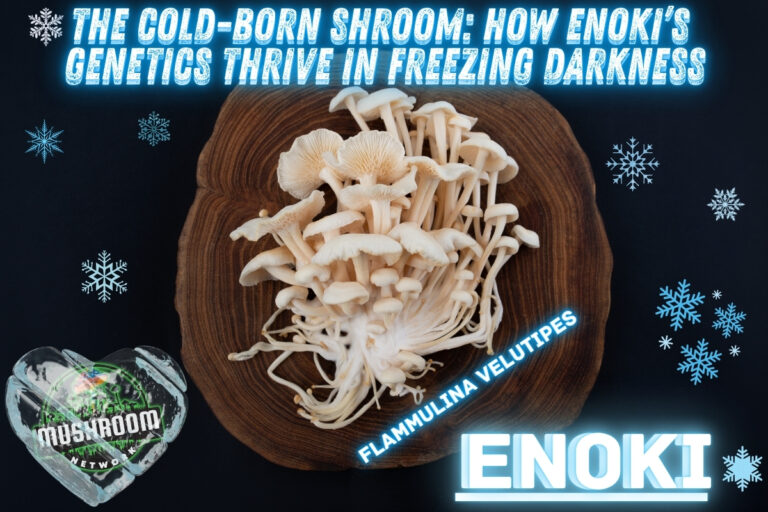
Buckle up, Myco-Wanderer. We’re diving into the frost-coded fungal genetics of Enoki—yes, that long, noodle-like mushroom in your ramen. But don’t let its skinny frame fool you. Beneath that ghost-white stem is a mutant power born from cold darkness, lab manipulation, and cell-apoptosis wizardry. Learn how Enoki’s genes adapted to thrive where other fungi freeze, and why researchers are obsessed with its potential to ice cancer cells from the inside out.
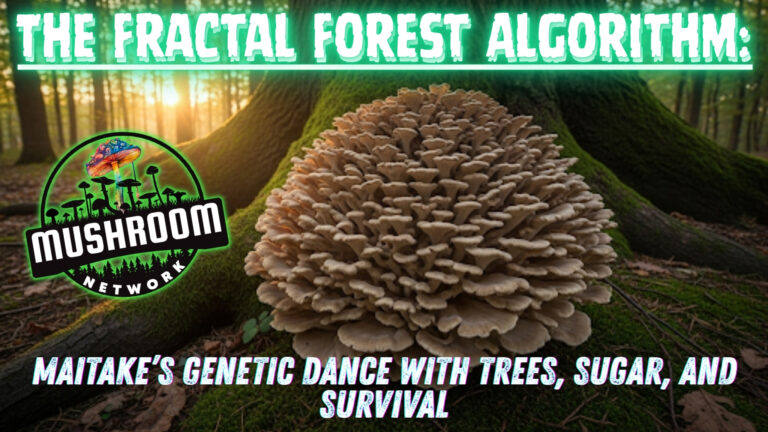
Maitake, aka Grifola frondosa, isn’t just a fluffy gourmet—it’s a forest-born algorithm tuning blood sugar through fractal-coded polysaccharides. Deep within its tree-dwelling genetics lie SX- and D-Fractions—compounds that can modulate insulin response like a biological DJ. But Maitake’s growth pattern, too, follows hidden forest codes: a genetic fractal geometry that mirrors the symbiosis of roots, sugars, and survival. What if this mushroom is showing us how nature thinks?