Mushrooms Are Rewriting the Rules of Intelligence (And Nobody Told the AI Bros)

There is a fungus in the forest right now solving a problem you would struggle to describe, let alone fix.
The Network That Connects Us All!

There is a fungus in the forest right now solving a problem you would struggle to describe, let alone fix.

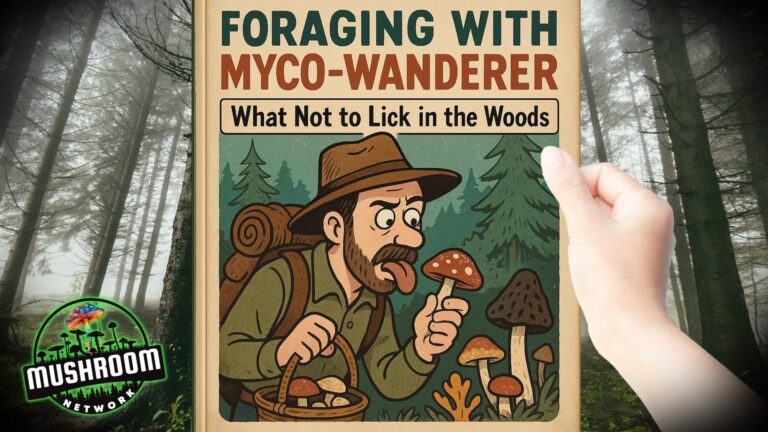
You’re wandering the woods. A cute little mushroom smiles at you like a snack. Should you lick it? NO. This Myco-Wanderer survival article is your ultimate guide to identifying (and not

You’ve heard of plants responding to music. But what if mushrooms—the mycelial masters of the underground

At night, parts of the forest don’t go dark — they glow. Bioluminescent fungi emit cold green light through a highly efficient chemical reaction that may function as both metabolic detox and ecological signaling. What looks like woodland ambiance might actually be evolutionary strategy. And once you realize nature doesn’t waste energy on aesthetics, the glow stops being magical and starts being deeply suspicious.

A rare fungal killer—Syncephalastrum oblongispora—has just claimed its first documented life in Sub-Saharan Africa. The victim: an HIV-positive patient whose weakened immune defenses were no match for this aggressive mucormycete. This isn’t just a tragic case—it’s a cosmic alarm bell that fungi don’t play favorites. They adapt. They invade. They kill. Myco-Patrons, the spores are reminding us: vigilance is survival.

Is the forest… conscious

Attention, Myco-Wanderers: the gut party isn’t just bacterial. Fungi—yes, the shadowy mycobiome—are in on the action, and your DNA is the cosmic bouncer deciding who gets in. Scientists just cracked the code linking human genes to fungal squatters, revealing how these spore-residents could drive obesity, autoimmune disorders, and even bowel wars. The fungi in your gut aren’t freeloaders—they’re genetically entangled with YOU.

What if your immune system had a fungal co-pilot? 🍄 The shiitake mushroom, beloved in stir-fry, might also be whispering genetic upgrades through a compound called lentinan—tweaking T-cells and flipping anti-tumor gene switches like a cellular DJ. In this deeply sporetacular Myco-Article, we crack open the Shiitake Code and explore its role as an immune symphony conductor, ancient breeder’s masterpiece, and tree-whispering forest hacker. Tap in, Myco-Wanderers—your genome may already be listening.

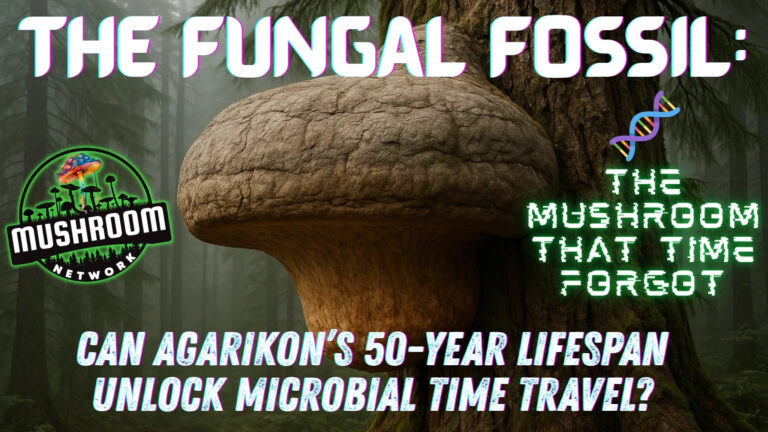
What if the cure to tomorrow’s viral outbreak was written into a mushroom that’s been growing since the ’70s? Enter Agarikon (Fomitopsis officinalis)—the long-living shelf fungus once used to treat plague symptoms and now being researched for its powerful antiviral genetics. From its towering, beehive-like form to its decades-long growth on ancient conifers, Agarikon might just be the fungal equivalent of a microbial time machine. Open the vault.

Somewhere beneath your feet, a fungus has already adjusted to your presence.